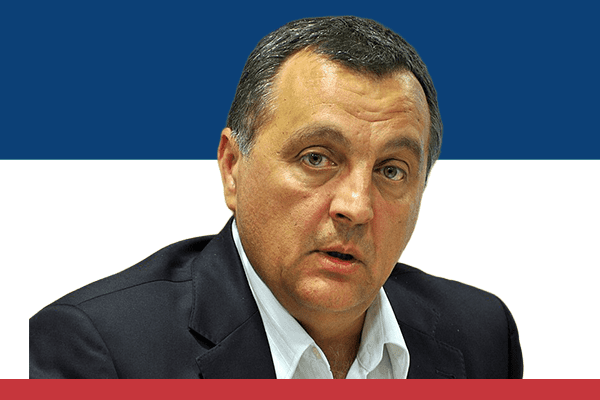
Early Life and Education
Zoran Živković was born on December 22, 1960, in Niš, Serbia, which was then part of Yugoslavia. He completed his education in his hometown and later graduated from the University of Niš with a degree in economics. During his early years, he showed interest in public affairs and social issues. His academic background in economics helped him understand the financial and administrative challenges that Serbia later faced during its transition period.
Before entering national politics, Živković worked in business and local administration. These experiences strengthened his leadership abilities and prepared him for a larger political role.
Political Career
Živković joined the Democratic Party (DS), one of Serbia’s leading pro-democracy political organizations. During the 1990s, he actively opposed the rule of Slobodan Milošević and supported democratic reforms in Yugoslavia. His participation in opposition movements earned him recognition among reform-minded citizens.
In 1997, he became the mayor of Niš. During his tenure, he introduced administrative reforms and promoted transparency in local governance. Citizens appreciated his efforts to improve public services and encourage democratic practices.
After the fall of Milošević in 2000, Živković gained greater influence in national politics. He worked closely with Serbian Prime Minister Zoran Đinđić, another leading reformist politician. Their cooperation focused on strengthening democratic institutions, improving economic conditions, and increasing Serbia’s cooperation with European countries.
Prime Minister of Serbia
In March 2003, Serbian Prime Minister Zoran Đinđić was assassinated, creating political shock and instability across the country. Following this tragedy, Zoran Živković became the new Prime Minister of Serbia. He accepted leadership during one of the most challenging moments in modern Serbian history.
As prime minister, Živković launched strong actions against organized crime and corruption. His government introduced security reforms and increased efforts to stabilize the political system. He also continued policies aimed at economic reform and European integration.
Živković actively supported cooperation with international institutions, including the International Criminal Tribunal for the former Yugoslavia (ICTY). His government worked to improve Serbia’s international image and strengthen diplomatic relations with European nations.
Although his administration faced criticism from political opponents and sections of the public, he remained committed to democratic governance and modernization.
Later Political Activities
After leaving office in 2004, Živković continued his political career. He remained active in Serbian public life and frequently commented on national political issues. In later years, he founded the New Party (Nova stranka), which promoted liberal democratic values and European integration.
He consistently criticized corruption, authoritarian tendencies, and political extremism. Through interviews, speeches, and political campaigns, he encouraged transparency, accountability, and stronger democratic institutions in Serbia.
Legacy and Importance
Zoran Živković’s political career reflects Serbia’s difficult transition from authoritarian rule to democratic governance. He demonstrated resilience during periods of political crisis and instability. His leadership after the assassination of Zoran Đinđić helped maintain governmental continuity during a sensitive time.
Supporters praise his determination to fight organized crime and strengthen democratic reforms. His commitment to European integration also influenced Serbia’s long-term foreign policy direction.
Although political opinions about his leadership differ, many historians and political observers recognize his contribution to Serbia’s democratic development.
Conclusion
Zoran Živković remains an important figure in modern Serbian politics. Through active leadership, democratic reforms, and strong political engagement, he contributed to Serbia’s transformation during a critical historical period. His efforts to promote modernization, transparency, and European cooperation continue to shape discussions about Serbia’s political future.