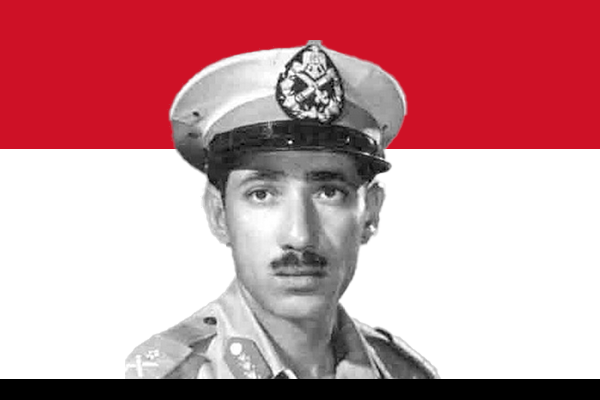
Early Life and Education
Abdel Hakim Amer was born on December 11, 1919, in Samalut, Minya Governorate, Egypt. He grew up in a modest family and pursued his education with determination. His strong sense of duty and patriotism inspired him to join the Egyptian Military Academy in 1938. By 1939, he graduated and began his journey as a young officer in the Egyptian Army. From the very beginning, Amer showed courage and leadership. He developed close ties with fellow officers who later formed the Free Officers Movement, a group that would change Egypt’s destiny.
Role in the Free Officers Movement
Amer played an important role in the Free Officers Movement, which aimed to end British influence and the monarchy in Egypt. In 1952, when the Free Officers launched the Egyptian Revolution, Amer stood alongside Gamal Abdel Nasser and other leaders. The revolution forced King Farouk to abdicate and paved the way for Egypt to become a republic. Through his dedication and loyalty, Amer earned Nasser’s trust. His role in the revolution established him as a rising star in Egypt’s new political and military system.
Military Career and Leadership
Amer advanced quickly within the military. In 1953, at the age of 34, he became the youngest commander-in-chief of the Egyptian Armed Forces. His appointment demonstrated the faith that President Nasser placed in him. Amer modernized the military and expanded its role in national politics.
Under his leadership, the Egyptian Army grew in numbers and strength. He emphasized discipline, loyalty, and a strong sense of national pride. Amer also coordinated Egypt’s military involvement in regional conflicts, particularly in the Arab world.
Vice Presidency of Egypt
In 1958, Gamal Abdel Nasser appointed Abdel Hakim Amer as Vice President of Egypt. This position made Amer one of the most powerful men in the country. He played a vital role in decision-making and supported Nasser in shaping Egypt’s domestic and foreign policies.
As Vice President, Amer focused on strengthening Egypt’s defense and maintaining political stability. He represented Egypt in high-level talks and maintained strong ties with military leaders. His close relationship with Nasser made him both a trusted ally and a highly influential figure in government.
Role in Regional Conflicts
Amer’s influence extended beyond Egypt. He directed Egypt’s involvement in conflicts such as the Yemen Civil War, where Egyptian forces supported the republican side. He believed in expanding Egypt’s regional leadership and sought to strengthen Arab unity.
However, his most significant challenge came during the Six-Day War in June 1967. As commander-in-chief, Amer bore responsibility for Egypt’s defeat against Israel. The loss damaged both his reputation and Egypt’s military standing. Despite criticism, Amer defended his role, but the war marked a turning point in his career.
Relationship with Nasser
Amer and Nasser shared a close bond that dated back to the revolution. Their friendship shaped Egypt’s politics for years. However, tensions grew after the 1967 defeat. Many in Nasser’s circle blamed Amer for military failures, while Amer believed he had been undermined.
This strained relationship eventually led to Amer’s removal from his positions. Although he had played a central role in Egypt’s rise as a regional power, the defeat overshadowed his earlier successes.
Death and Legacy
Abdel Hakim Amer died on September 14, 1967, under controversial circumstances. Official reports stated that he committed suicide, but debates about the true cause of his death continue. Many Egyptians remember him as a patriotic leader who contributed to the revolution and Egypt’s transformation, while others criticize his role in the 1967 defeat.
His legacy remains complex. Supporters praise his loyalty to Nasser, his military reforms, and his dedication to Egypt’s independence. Critics, however, highlight his strategic failures and political rivalries. Regardless, Amer’s impact on Egyptian history remains undeniable.
Conclusion
Vice President Abdel Hakim Amer shaped Egypt’s political and military landscape during a critical era. From his role in the Free Officers Movement to his years as Vice President, he influenced Egypt’s destiny in profound ways. Though his career ended in tragedy, his story reflects the struggles, ambitions, and challenges of a nation seeking independence and strength.