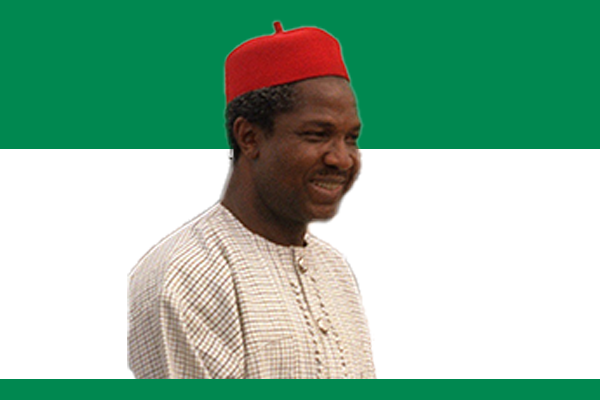
Early Life and Education
Alex Ifeanyichukwu Ekwueme was born on October 21, 1932, in Oko, Anambra State. He actively pursued education, earning degrees in architecture and urban planning from the University of Nigeria, Nsukka, and later studying in the United States. His dedication to learning equipped him with the skills to address Nigeria’s developmental challenges. Early in his career, Ekwueme combined professional expertise with civic engagement, establishing himself as a respected architect and public intellectual.
Rise to Political Prominence
Ekwueme entered politics with a strong commitment to national unity and democratic principles. He actively participated in political discourse and advocated for inclusive governance. In 1979, he became the first elected Vice President of Nigeria during the Second Republic, serving under President Shehu Shagari. Ekwueme embraced his role with vigor, ensuring that the office of the Vice President actively contributed to policy formulation and national development.
Contributions as Vice President
During his tenure from 1979 to 1983, Ekwueme played a pivotal role in shaping Nigeria’s political and economic landscape. He actively advised the President on governance, economic reforms, and foreign relations. Ekwueme led initiatives to modernize Nigeria’s infrastructure, including urban development projects, transportation networks, and public housing programs. His architectural background informed practical solutions to the country’s urban planning challenges.
Ekwueme also championed agricultural development and rural empowerment. He launched programs that improved farmers’ access to modern farming techniques, resources, and markets. By prioritizing rural development, he strengthened local economies and enhanced food security across the nation.
Advocacy for Democracy and National Unity
Beyond administrative duties, Ekwueme consistently promoted democratic governance and national cohesion. He actively mediated conflicts, encouraged dialogue among political groups, and worked to ensure that Nigeria’s diverse communities felt included in governance processes. Ekwueme’s diplomacy helped maintain stability during turbulent political periods and set the stage for future democratic transitions.
Educational and Social Initiatives
Ekwueme valued education as a tool for national progress. He actively supported programs that expanded access to primary, secondary, and higher education. He encouraged skill development and vocational training, aiming to create a workforce capable of driving economic growth. Additionally, he championed healthcare initiatives, particularly in rural areas, to improve living standards and social welfare.
Legacy and Later Life
After leaving office, Ekwueme continued to influence Nigeria through public service, advisory roles, and philanthropy. He actively mentored emerging leaders and participated in national debates on governance and policy. His contributions earned him widespread respect, both nationally and internationally, as a visionary leader dedicated to democratic principles and development.
Ekwueme passed away on November 19, 2017, leaving a legacy of integrity, competence, and visionary leadership. His life exemplified dedication to public service, national unity, and the empowerment of all Nigerians. He remains a role model for leaders who aspire to combine professional expertise with political responsibility.
Conclusion
Vice President Alex Ekwueme actively shaped Nigeria’s political, economic, and social landscape. Through his visionary leadership, he promoted democratic values, championed development initiatives, and strengthened national unity. His contributions as Vice President and beyond continue to inspire generations, leaving an enduring mark on Nigeria’s history.