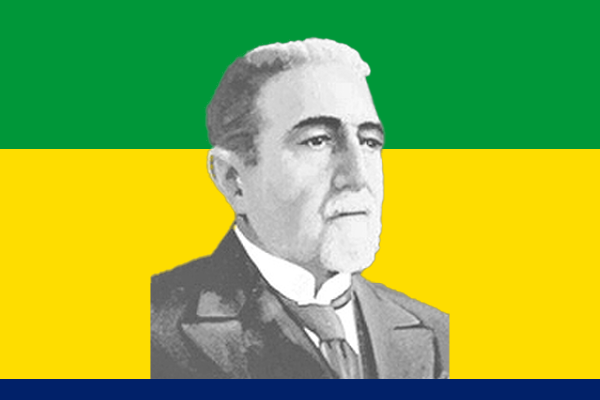
Mr. Bueno de Paiva
In Office: 11 November 1920 – 15 November 1922
Political Party: Mineiro Republican Party
Home State: Minas Gerais
Lifespan: 1861–1928)
Country: Brazil
Image credits available here.
Early Life and Education
Bueno de Paiva, born in the late 19th century, grew up during a period of political transformation in Brazil. He pursued law and established himself as a skilled attorney and thinker. His education shaped his belief in justice, reform, and democracy. He dedicated himself to public service, determined to uplift Brazil through legal and political progress. His background in law equipped him with the tools to navigate complex governmental systems and advocate for the rule of law.
Entry into Politics
Bueno de Paiva entered politics with a strong commitment to national unity and reform. He began his political career at a time when Brazil faced challenges of modernization and governance. He actively participated in legislative debates and proposed reforms that aimed to strengthen democratic institutions. His eloquence and reasoning quickly earned him respect among his peers. Through determination, he rose within the political hierarchy, gaining recognition for his leadership and integrity.
Vice Presidency and Governance
As Vice President of Brazil, Bueno de Paiva took an active role in shaping national policies. He collaborated with the President to promote economic stability, modernize infrastructure, and strengthen foreign relations. Rather than waiting for directives, he initiated dialogues between various political factions, ensuring cooperation and peace. He addressed social issues directly, encouraging education and equal opportunities. Under his vice presidency, he supported measures that advanced public welfare and national development.
Bueno de Paiva used his platform to advocate for responsible governance. He emphasized transparency and accountability in public administration. His leadership inspired other politicians to act ethically and prioritize the nation’s needs over personal interests. He maintained a strong connection with the public, frequently meeting citizens to understand their concerns. Through proactive engagement, he built trust between the government and the people.
Contributions to Law and Reform
Drawing from his legal expertise, Bueno de Paiva contributed significantly to judicial reform. He worked on modernizing Brazil’s legal framework, making justice more accessible and fairer. He encouraged the enforcement of laws that protected citizens’ rights and strengthened democratic institutions. He supported the professionalization of the judiciary and promoted education in law and civics. His efforts created a legacy of fairness and integrity within Brazilian governance.
Bueno de Paiva also believed in balancing tradition with progress. He respected Brazil’s historical institutions while pushing for modern administrative reforms. His pragmatic approach allowed him to harmonize differing political opinions and guide the country through periods of change.
Legacy and Influence
Bueno de Paiva’s vice presidency left a lasting impact on Brazilian politics. He demonstrated that leadership requires action, dialogue, and moral courage. His ability to mediate conflicts and create consensus strengthened the democratic spirit of Brazil. Future generations of politicians regarded him as an example of integrity and dedication.
After his vice presidency, he continued to influence national discourse through writings and mentorship. He advised young politicians to embrace honesty and service. His contributions to law, governance, and education continued to shape Brazilian institutions long after his tenure.
Conclusion
Vice President Bueno de Paiva remains a symbol of responsible leadership and national unity. Through his active role in governance, his reforms in law, and his advocacy for democratic values, he helped build a more stable and just Brazil. His life’s work reflects a deep commitment to the people and the nation. Bueno de Paiva’s legacy endures as a reminder that true leadership lies in active service, integrity, and vision.