Mr. Choe Yong-gon
In Office: 28 December 1972 – 19 September 1976
Political Party: Workers’ Party of Korea
Home State: T’aechŏn
Lifespan: 1900–1976
Country: North Korea
Image credits available here.
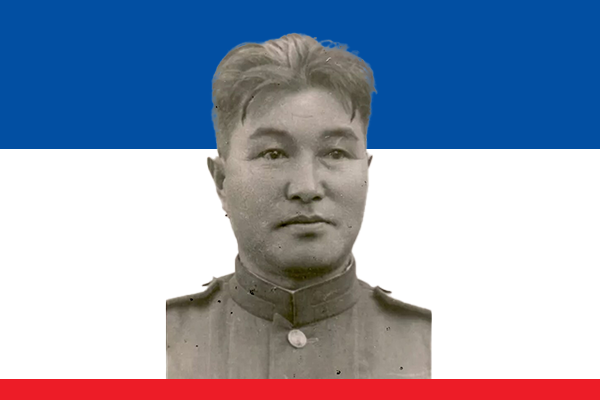
Early Life and Revolutionary Background
Choe Yong-gon emerged from the generation of Korean revolutionaries shaped by anti-colonial struggle and socialist ideology. Like many early leaders of North Korea, he built his political credentials through revolutionary activity and party work rather than through electoral politics. His early involvement in communist organizations helped him gain recognition as a disciplined and reliable cadre, qualities highly valued in the DPRK’s political culture.
Rise in the Workers’ Party of Korea
Choe Yong-gon advanced steadily within the Workers’ Party of Korea, the central political force in North Korea. He earned trust by implementing party directives and maintaining ideological conformity at various administrative levels. His work focused on strengthening party control over state institutions and ensuring unity within leadership ranks. This period of service prepared him for higher responsibilities at the national level.
Role as Vice President
As Vice President of North Korea, Choe Yong-gon served as a senior state official supporting the head of state and the collective leadership system. His role involved representing the state in official functions, supervising administrative affairs, and contributing to policy discussions. The vice presidency in the DPRK was less about personal authority and more about reinforcing continuity, stability, and ideological discipline within the leadership.
Choe Yong-gon used his position to uphold socialist governance and reinforce the authority of the ruling party. He supported policies aimed at central planning, political education, and national unity. His leadership style emphasized loyalty, order, and adherence to the state’s ideological line.
Contribution to State Governance
Beyond his vice-presidential duties, Choe Yong-gon played an important role in legislative and supervisory institutions. He was associated with bodies that oversaw the implementation of laws and party decisions. Through these roles, he helped translate ideological principles into administrative practice. His work strengthened the institutional framework that connected party leadership with state administration.
Political Significance
Choe Yong-gon’s significance lies in his representation of the second tier of North Korean leadership—figures who ensured continuity rather than radical change. He acted as a stabilizing force during periods of consolidation and transition. By maintaining discipline within the political system, he contributed to the durability of the DPRK’s governance model.
Legacy
Vice President Choe Yong-gon remains remembered as a loyal servant of the North Korea state and its ruling ideology. His career illustrates how leadership in the DPRK relied on long-term party service, ideological commitment, and administrative competence. Although he did not seek personal prominence, his steady presence in high office helped sustain the political structure of North Korea during critical decades.
Conclusion
Choe Yong-gon’s life and career reflect the nature of power and governance in North Korea. As Vice President, he supported the leadership, enforced party principles, and contributed to institutional stability. His legacy endures as part of the collective leadership that shaped the DPRK’s political system and reinforced its socialist identity.