Mr. Daniel D. Tompkins
In Office: March 4, 1817 – March 4, 1825
Political Party: Democratic-Republican
Home State: Daniel Tompkins
Lifespan: 1774–1825
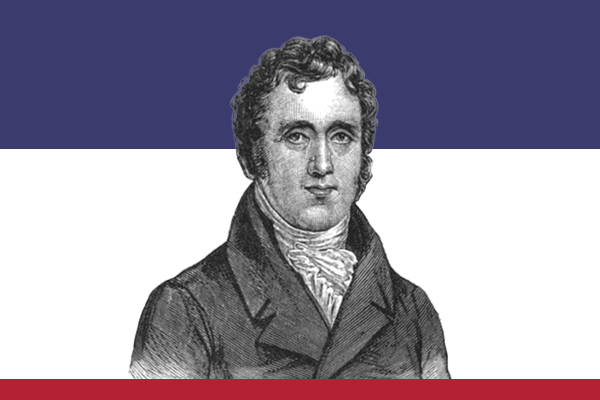
Early Life and Education
Born on June 21, 1774, in Scarsdale, New York, Daniel D. Tompkins was raised in a modest farming family. He graduated from Columbia College (now Columbia University) in 1795 and pursued a career in law. By 1797, he was admitted to the bar and quickly rose through the legal ranks thanks to his intellect, diligence, and rhetorical skills.
Political Career and Rise to Prominence
Tompkins entered politics as a delegate to the New York State Constitutional Convention in 1801. Soon after, he became a member of the New York State Assembly. His reputation as a progressive thinker led to his appointment as an Associate Justice of the New York Supreme Court in 1804.
Governor of New York (1807–1817)
Tompkins served as Governor of New York for four consecutive terms, making him one of the state’s most influential early leaders. During his tenure: He advocated for public education, prison reform, and religious freedom. He played a crucial role during the War of 1812, organizing the state’s militia and personally financing military efforts when federal funds were insufficient. His unwavering patriotism and leadership during wartime earned him national recognition and widespread respect.
Vice Presidency under James Monroe (1817–1825)
Daniel D. Tompkins served as the 6th Vice President of the United States from March 4, 1817, to March 4, 1825 under President James Monroe. He served two full terms (8 years). Before becoming Vice President, he was the Governor of New York. As Vice President, Tompkins: Presided over the Senate, where he cast several important tie-breaking votes. Advocated for states’ rights while supporting federal initiatives to strengthen the post-war economy. Struggled with health and financial issues, partly due to the personal debts he accrued while funding New York’s military during the War of 1812.
Key Achievements and Contributions
Instrumental in U.S. defense efforts during the War of 1812
Pioneered educational and penal reform in New York
Promoted infrastructure improvements and economic development
Demonstrated personal sacrifice for national service
Later Life and Death
After leaving office in 1825, Tompkins returned to New York but was plagued by health problems and financial hardship. He passed away on June 11, 1825, just days before his 51st birthday. Despite his struggles, Tompkins’ commitment to public service and national unity remains an enduring part of his legacy.
Legacy and Historical Significance
Daniel D. Tompkins is remembered as a patriotic statesman who put the needs of his country above his own well-being. His name is honored across the nation, including: Tompkins County, New York, Tompkinsville in Staten Island, Statues and monuments commemorating his contributions to U.S. history. His efforts in supporting the War of 1812 and promoting social reforms marked him as a forward-thinking leader ahead of his time.