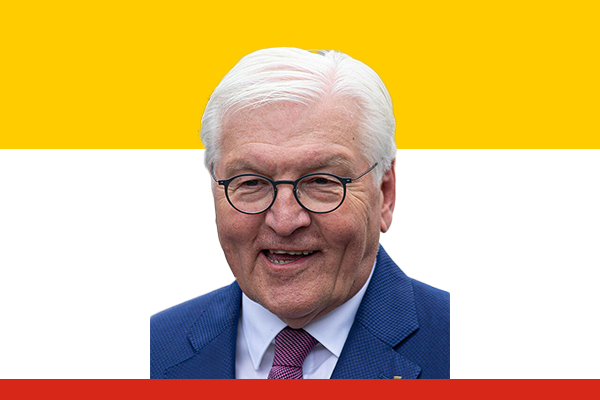
Early Life and Education
Frank-Walter Steinmeier was born on January 5, 1956, in Detmold, Germany. He pursued law at the University of Giessen, where he earned his degree and cultivated a deep understanding of political structures and governance. Steinmeier quickly gained recognition for his analytical skills and keen insight into public policy. Early in his career, he focused on legal and administrative roles that would prepare him for higher political responsibilities.
Political Career and Rise to Prominence
Steinmeier began his political journey with the Social Democratic Party (SPD) of Germany. He steadily advanced through the party ranks, demonstrating leadership and strategic thinking. In 1991, he became a close aide to Chancellor Gerhard Schröder, managing key policy initiatives and governmental affairs. Steinmeier’s proficiency in diplomacy and governance helped him earn significant roles in the federal government.
In 1999, Steinmeier became the head of the Federal Chancellery and the chief of staff to Chancellor Schröder. He effectively coordinated government operations and advised on critical national and international matters. During this time, Steinmeier established himself as a skilled negotiator, earning respect from colleagues across party lines.
Tenure as Foreign Minister
Frank-Walter Steinmeier first served as Germany’s Foreign Minister from 2005 to 2009. In this role, he actively strengthened Germany’s diplomatic relationships worldwide. He represented Germany in major international negotiations and promoted cooperation within the European Union. Steinmeier consistently advocated for human rights, global security, and conflict resolution, earning global recognition for his principled diplomacy.
He resumed the position of Foreign Minister from 2013 to 2017, further consolidating Germany’s influence in European and global politics. Steinmeier led initiatives to mediate conflicts and foster dialogue between opposing nations. His approach combined pragmatism with ethical governance, which enhanced Germany’s credibility on the world stage.
Vice Presidency and Leadership Style
In his current role as Vice President, Steinmeier actively participates in shaping policy and supporting the President in state matters. He promotes democratic values, encourages civic engagement, and emphasizes transparency in governance. Steinmeier is known for his inclusive leadership style, often engaging stakeholders from diverse backgrounds to achieve consensus and implement effective policies.
He regularly addresses critical social, economic, and political issues, ensuring that Germany maintains stability and progress. Steinmeier’s commitment to public service reflects his long-standing dedication to the welfare of the nation and its citizens.
Legacy and Influence
Frank-Walter Steinmeier has left a lasting impact on German politics. His career exemplifies dedication, intelligence, and diplomacy. By actively engaging in international relations, steering government operations, and advocating for social justice, he has earned widespread respect both within Germany and internationally. Steinmeier continues to mentor younger politicians and contribute to shaping Germany’s future, reflecting his enduring commitment to political service and ethical leadership.
Frank-Walter Steinmeier’s career demonstrates how dedication, strategic thinking, and ethical governance can influence a nation’s political trajectory. From his early legal work to his current vice-presidential role, he has continuously shaped Germany’s political and diplomatic landscape with vision and integrity.