Mr. Hosni Mubarak
In Office: 16 April 1975 – 14 October 1981
Political Party: Arab Socialist Union
Home State: Menoufia Governorate
Lifespan: 1928–2020
Country: Egypt
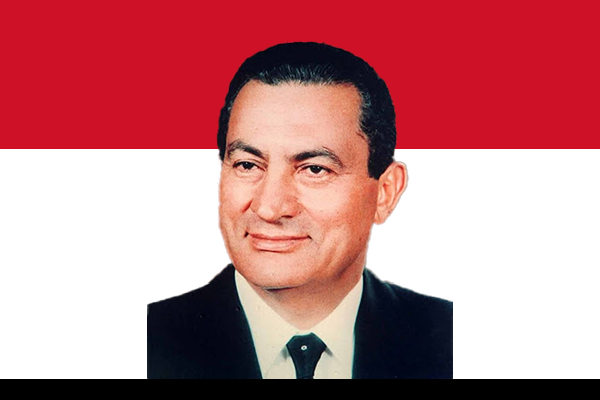
Early Life and Military Career
Hosni Mubarak was born on May 4, 1928, in Kafr El-Meselha, Egypt. He grew up in a modest household and pursued his education with determination. He joined the Egyptian Military Academy and later advanced his studies at the Air Force Academy, where he specialized in aviation sciences. Mubarak served the Egyptian Air Force with dedication and rose through the ranks due to his discipline and strategic abilities.
He became a flight instructor and later took command positions that proved his leadership skills. His service during regional conflicts enhanced his reputation as a competent military officer. By the late 1960s, he had already positioned himself as one of the most respected figures in the Egyptian Air Force.
Rise in the Egyptian Air Force
Mubarak strengthened the Egyptian Air Force after the 1967 Six-Day War. He emphasized rebuilding military strength and modernizing Egypt’s air defense system. His planning and organizational skills impressed President Anwar Sadat, who relied on Mubarak for crucial military reforms.
During the 1973 Yom Kippur War, Mubarak played a central role in Egypt’s air operations. His leadership in coordinating air strikes against Israeli forces won him national recognition. Egyptians admired his courage and discipline, which made him a strong candidate for higher political office.
Appointment as Vice President
President Anwar Sadat appointed Hosni Mubarak as Vice President in 1975. Mubarak accepted the role and quickly adapted to the political arena. He assisted Sadat in shaping both domestic and foreign policies. Mubarak engaged in diplomatic talks, represented Egypt in international forums, and built close relations with Arab and Western leaders.
As Vice President, Mubarak focused on stability and national security. He supported Sadat’s peace initiatives with Israel, even though those efforts faced criticism from parts of the Arab world. His loyalty to Sadat and his ability to maintain political balance strengthened his influence inside the Egyptian government.
Leadership Style and Responsibilities
Mubarak managed internal security matters and supervised key ministries while serving as Vice President. He built strong connections with the military and the ruling National Democratic Party. His calm and disciplined approach allowed him to handle political tensions with patience.
He avoided unnecessary conflicts and worked behind the scenes to strengthen Egypt’s governance. His practical mindset and military background shaped his leadership style. Egyptians viewed him as a steady and reliable figure during a period of significant political changes.
Path to the Presidency
On October 6, 1981, President Anwar Sadat was assassinated during a military parade. Mubarak, who was seated next to Sadat during the attack, survived with minor injuries. As Vice President, he immediately assumed the responsibilities of head of state. The Egyptian constitution confirmed his succession, and Mubarak became President of Egypt.
His transition to power reflected the trust Sadat had placed in him. Egyptians accepted Mubarak’s leadership because he promised stability and security after a tragic national crisis. His years as Vice President had prepared him for the presidency, making him a natural successor.
Legacy as Vice President
Hosni Mubarak’s tenure as Vice President demonstrated his ability to balance military discipline with political responsibility. He contributed to Egypt’s foreign relations, defended national security, and helped stabilize the country during turbulent times. His loyalty to Anwar Sadat and his role in Egypt’s peace efforts with Israel shaped his political identity.
Mubarak’s career as Vice President also reflected his gradual shift from military service to national leadership. His commitment to Egypt’s security and governance established him as one of the most influential figures in modern Egyptian history.