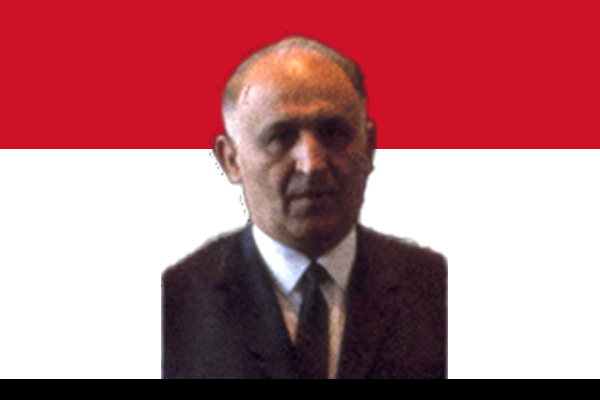
Early Life and Education
Mahmoud Fawzi was born in 1900 in Cairo, Egypt. His family valued education, and they encouraged him to pursue academic excellence. He studied law at the University of Cairo and graduated with distinction. Later, he continued his higher studies in political science and international relations in London and Geneva. By pursuing advanced education, Fawzi built a strong foundation for a career in diplomacy and governance.
Diplomatic Career Begins
Fawzi entered Egypt’s Ministry of Foreign Affairs in the 1920s. He actively represented Egypt in international conferences and built strong relations with foreign diplomats. His skills in negotiation and diplomacy earned him recognition within political circles. He focused on promoting Egypt’s interests on the global stage and played a key role in strengthening ties with other nations.
Service as Egypt’s Foreign Minister
In 1952, the Free Officers Movement ended the monarchy in Egypt. President Gamal Abdel Nasser relied on Mahmoud Fawzi to serve as Egypt’s Foreign Minister. Fawzi accepted the responsibility and guided Egypt’s foreign policy with dedication. He worked tirelessly to defend Egypt’s sovereignty and independence in the international arena.
During his service, he handled sensitive issues such as the Suez Crisis of 1956. He firmly opposed foreign intervention in Egypt and represented the country at the United Nations. His speeches emphasized Egypt’s right to nationalize the Suez Canal and maintain control over its resources. Through his diplomatic skills, he gained respect as one of the leading voices in Arab and African politics.
Appointment as Prime Minister
After the death of President Nasser in 1970, Anwar Sadat became Egypt’s new leader. Sadat recognized Fawzi’s experience and loyalty and appointed him Prime Minister. Fawzi accepted the post during a period of political transition. He worked to ensure stability in the government and supported Sadat’s policies. Although his time as Prime Minister was short, he managed state affairs with professionalism and caution.
Role as Vice President of Egypt
In 1972, President Anwar Sadat appointed Mahmoud Fawzi as Vice President of Egypt. Fawzi used his experience to advise the president on matters of governance and foreign policy. He acted as a trusted statesman and provided guidance during a time when Egypt faced both internal and external challenges. His presence in the leadership ensured continuity and stability.
Contributions to Egypt’s International Relations
Fawzi actively promoted Egypt’s role in the Arab League, the Non-Aligned Movement, and the United Nations. He advocated for Arab unity and supported African nations in their struggles for independence. He built strong diplomatic relations with both Western powers and socialist countries, showing balance in foreign policy. By maintaining a calm and pragmatic approach, Fawzi strengthened Egypt’s position in global politics. Many leaders admired his ability to solve conflicts through dialogue rather than confrontation.
Later Years and Legacy
Mahmoud Fawzi retired from politics after decades of service to Egypt. He passed away in 1981, leaving behind a legacy of statesmanship and diplomacy. Egyptians remember him as a leader who prioritized national interests over personal ambitions. His calm character, professional conduct, and diplomatic skill continue to inspire future generations.
Conclusion
Vice President Mahmoud Fawzi played an essential role in shaping modern Egypt. He served as Foreign Minister, Prime Minister, and finally Vice President, dedicating his life to his country. His leadership during critical moments such as the Suez Crisis and Egypt’s political transition marked him as a key figure in Egyptian history. Through his wisdom and diplomacy, Mahmoud Fawzi strengthened Egypt’s global standing and left a lasting impact on the nation.