Mr. Maktoum bin Rashid Al Maktoum
In Office: 7 October 1990 – 4 January 2006
Political Party: Emblem of the United Arab Emirates
Home State: Dubai
Lifespan: 1943–2006
Country: United Arab Emirates
Image credits available here.
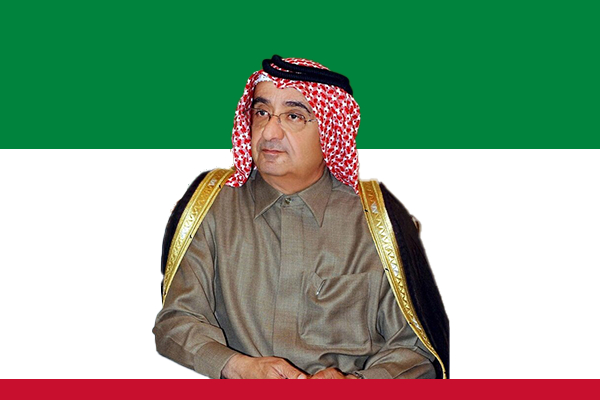
Early Life and Background
Maktoum bin Rashid Al Maktoum was a prominent leader of the United Arab Emirates and a respected member of the Al Maktoum ruling family of Dubai. Born into a family deeply involved in governance and public service, he grew up with a strong sense of responsibility toward leadership and nation-building. From an early age, he received education that emphasized administration, diplomacy, and economic management. These formative years prepared him for the major responsibilities he would later assume at both the emirate and federal levels.
Rise to Leadership
Maktoum bin Rashid Al Maktoum assumed key leadership roles during a critical phase in the UAE’s development. He served as the Ruler of Dubai and also held the national position of Vice President of the United Arab Emirates. In these roles, he worked closely with other founding and senior leaders to strengthen federal unity while respecting the autonomy of individual emirates. His leadership style balanced tradition with modernization, ensuring continuity while encouraging progress.
Role as Vice President of the UAE
As Vice President, Maktoum bin Rashid Al Maktoum contributed significantly to federal governance. He supported policies that enhanced cooperation among the emirates and promoted political stability. His tenure coincided with a period of rapid economic growth and global engagement for the UAE. He actively participated in high-level decision-making, focusing on national development, infrastructure expansion, and effective public administration.
Governance and Administrative Vision
Maktoum bin Rashid Al Maktoum believed in strong institutions and efficient governance. He supported reforms that streamlined administrative processes and improved public services. His approach emphasized accountability, long-term planning, and the development of capable leadership within government bodies. By encouraging professionalism in public administration, he helped lay the groundwork for sustainable governance practices.
Economic Development and Modernization
Economic diversification was a central theme of leadership. He recognized the importance of reducing reliance on traditional revenue sources and supported initiatives that expanded trade, finance, and services. Under his leadership, Dubai continued to strengthen its position as a regional commercial hub. He encouraged investment, modern infrastructure, and policies that supported business growth, which contributed to the emirate’s global reputation.
Social and Cultural Contributions
Beyond governance and economics, Maktoum bin Rashid Al Maktoum valued social cohesion and cultural preservation. He supported initiatives that promoted education, cultural identity, and social welfare. He believed that national progress required not only economic strength but also a well-educated and united society. His leadership respected cultural traditions while embracing openness and tolerance.
Leadership Style and Legacy
Maktoum bin Rashid Al Maktoum was known for his calm and pragmatic leadership style. He preferred consensus-building and thoughtful decision-making over confrontation. His ability to work collaboratively with fellow leaders strengthened trust within the federal system. His legacy reflects a leader who guided the UAE through important stages of development with stability and vision.
Lasting Impact
The impact of Vice President Maktoum bin Rashid Al Maktoum remains evident in the UAE’s governance structures and economic foundations. His contributions helped shape a modern state that balances tradition with innovation. Remembered as a dedicated national leader, he played an essential role in reinforcing the UAE’s unity, progress, and global standing.