Early Life and Education
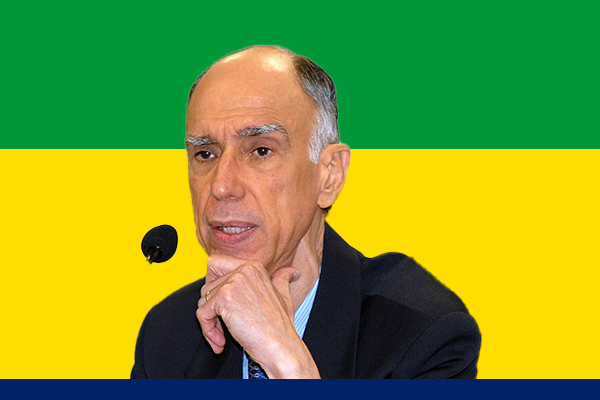
Marco Antônio de Oliveira Maciel was born on July 21, 1940, in Recife, Pernambuco, Brazil. From a young age, he showed a deep interest in public service and civic responsibility. He pursued law at the Federal University of Pernambuco, where he built a strong foundation in legal and political studies. His active participation in student movements revealed his early leadership skills and his dedication to social and political reform.
Political Beginnings and Rise to Prominence
Maciel began his political career in the Legislative Assembly of Pernambuco. His calm temperament and diplomatic approach helped him earn respect across party lines. He quickly rose to national prominence as a member of the National Renewal Alliance (ARENA) during Brazil’s military regime. Instead of serving personal ambitions, he chose to focus on legislative stability and regional development.
As President of the Chamber of Deputies in 1977, he managed parliamentary affairs with efficiency and impartiality. His active engagement in legislative discussions strengthened the relationship between the executive and legislative branches. Through his strategic leadership, he ensured that Brazil’s political institutions continued to function effectively during a challenging era.
Commitment to Democracy and Public Service
Marco Maciel played a vital role in Brazil’s democratic transition in the 1980s. He supported constitutional reforms that restored civilian rule and political pluralism. As a senator and later as Minister of Education, he implemented policies that expanded access to education and promoted social inclusion.
Rather than remaining passive during Brazil’s transformation, Maciel actively participated in shaping its democratic identity. He collaborated with different political factions, emphasizing dialogue and national reconciliation. His ability to find common ground among divergent opinions made him one of Brazil’s most respected political figures.
Vice Presidency under Fernando Henrique Cardoso
In 1995, Marco Maciel assumed the office of Vice President of Brazil under President Fernando Henrique Cardoso. Throughout his two terms, from 1995 to 2002, he served as a symbol of political balance and reliability. He actively supported the president in implementing economic reforms, stabilizing the currency, and strengthening democratic institutions.
Maciel worked tirelessly behind the scenes, mediating between government officials, legislators, and social groups. His diplomatic skills helped the administration maintain harmony during critical debates on privatization and social policy. He did not merely occupy a ceremonial role; instead, he engaged directly in governance, offering strategic counsel and practical solutions to national challenges.
Principles, Integrity, and Legacy
Marco Maciel consistently upheld honesty, humility, and respect for democratic values. He preferred constructive dialogue to confrontation and prioritized the collective good over personal gain. His leadership style reflected patience, moderation, and integrity — qualities that earned him admiration from both allies and opponents.
Even after leaving office, he continued contributing to political discussions, encouraging ethical conduct in public life. His long career stands as a testament to his enduring belief in democracy, education, and cooperation.
Conclusion
Vice President Marco Maciel exemplified the virtues of responsible leadership and civic commitment. Through his active participation in Brazil’s political evolution, he helped shape a more stable and inclusive democracy. His life reminds future leaders that genuine political influence comes from service, humility, and integrity.
Marco Maciel’s legacy continues to inspire Brazil’s political class to uphold democratic principles and work collectively toward national progress. His name remains synonymous with trust, dedication, and the power of active statesmanship in the service of the people.