Early Life and Education
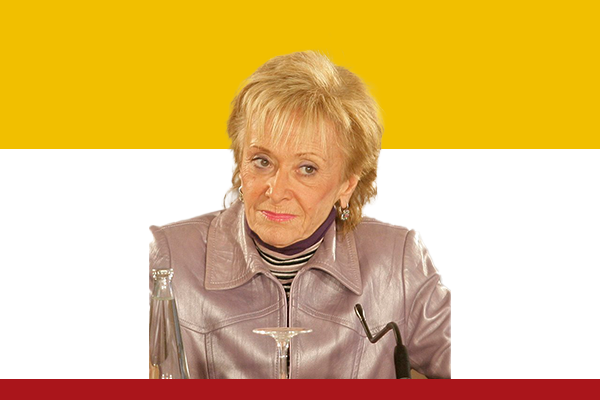
María Teresa Fernández de la Vega was born in Valencia, Spain, in 1949. She pursued law at the Complutense University of Madrid, where she earned her degree with distinction. From a young age, she showed a deep interest in justice and public service. Her academic excellence and passion for equality motivated her to join the judiciary, where she worked diligently to promote fairness and integrity.
Early Political Career
De la Vega began her political journey during Spain’s transition to democracy after the Franco era. She joined the Socialist Party (PSOE) and quickly became an influential figure. As a legal expert, she helped draft important legislation that strengthened democratic institutions. She played an active role in modernizing Spain’s administrative framework and advocating for women’s participation in government. Her sharp intellect and commitment to reform gained her respect across political lines.
Rise to Prominence
In 2004, Prime Minister José Luis Rodríguez Zapatero appointed María Teresa Fernández de la Vega as Deputy Prime Minister and Minister of the Presidency. By accepting this position, she became the first woman in Spain’s history to hold the office of Deputy Prime Minister. She embraced the role with determination and energy, managing government affairs with precision and diplomacy. She coordinated cabinet operations, supervised ministries, and served as a key spokesperson for the administration.
De la Vega worked tirelessly to implement progressive policies that emphasized equality, social justice, and civil rights. She oversaw the government’s efforts to pass groundbreaking laws on gender equality, domestic violence prevention, and same-sex marriage. Her leadership inspired a new generation of women to engage in politics and public administration.
Champion of Gender Equality
Throughout her tenure, Fernández de la Vega actively promoted women’s rights and gender equality. She initiated policies that improved workplace conditions for women, increased female representation in political offices, and encouraged balanced family responsibilities. She launched programs that empowered women in rural and urban areas alike, emphasizing education, entrepreneurship, and independence.
She also confronted gender discrimination within political structures and the media, advocating for respectful representation and equal opportunities. Her direct and confident communication style earned her both admiration and criticism, but she always defended her principles with strength and grace.
Influence in International Affairs
As Deputy Prime Minister, de la Vega represented Spain in numerous international forums. She collaborated with European Union institutions, the United Nations, and various humanitarian organizations to advance Spain’s global reputation. She worked closely with other leaders to promote sustainable development, peace, and human rights. Her diplomatic skill helped Spain strengthen relations with Latin American and African nations.
She also led initiatives that focused on international cooperation and development aid, ensuring that Spain contributed actively to global progress. Her ability to combine compassion with strategy made her one of Spain’s most respected figures on the international stage.
Legacy and Continued Contributions
After leaving office in 2010, María Teresa Fernández de la Vega continued to serve Spain and the international community. She became President of the Council of State, making her the first woman to hold that position as well. In this role, she guided legal and institutional reforms that strengthened democratic governance.
Her lifelong commitment to justice, equality, and transparency remains an enduring part of her legacy. She continues to inspire leaders and citizens alike through her speeches, writings, and public initiatives.
Conclusion
María Teresa Fernández de la Vega transformed Spanish politics through her active leadership, unwavering ethics, and dedication to equality. As Spain’s first female Deputy Prime Minister, she broke barriers and set new standards for public service. Her career stands as a powerful example of how determination and integrity can shape a nation’s democratic progress.