Early Life and Education
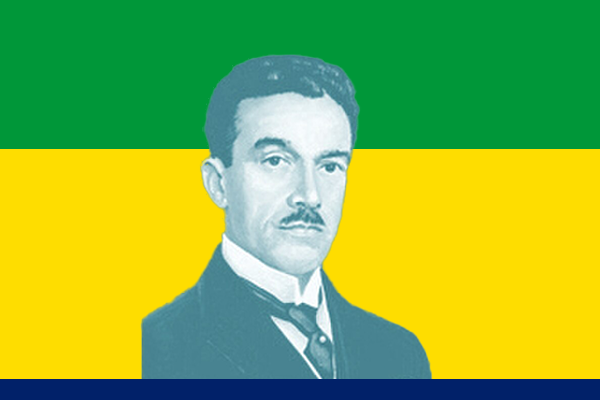
Melo Viana was born on November 20, 1881, in Sabará, Minas Gerais, Brazil. He grew up in a period when Brazil was transforming politically and economically. His family encouraged education and public service, which deeply influenced his career path. Viana pursued law at the prestigious Faculty of Law in Ouro Preto, where he developed a strong understanding of governance and justice. His legal education shaped his views on fairness and national development, guiding him toward a future in politics.
Entry into Politics
After completing his studies, Melo Viana entered public service with a commitment to reform and modernization. He began his political journey in Minas Gerais, where he quickly earned respect for his pragmatic and honest approach. He took an active role in local governance and worked to improve education, infrastructure, and public administration. His ability to unite people and resolve conflicts made him a trusted figure among colleagues and citizens alike.
Viana’s leadership skills and vision helped him rise rapidly in political ranks. He represented Minas Gerais in the national political arena, where he defended regional interests while supporting broader national progress. His strong sense of duty and moral integrity earned him recognition across Brazil.
Vice Presidency under Washington Luís
In 1926, Melo Viana became Vice President of Brazil under President Washington Luís. As Vice President, he played a crucial role in the administration, contributing actively to national policy discussions and political reforms. Rather than remaining a ceremonial figure, Viana engaged directly in decision-making and maintained communication between the executive branch and regional governments.
He supported efforts to modernize Brazil’s economy and strengthen the nation’s infrastructure. Viana promoted collaboration between state and federal authorities, ensuring that the needs of various regions were represented in national policies. His efforts helped stabilize Brazil during a period of growing political challenges.
Leadership during Political Transition
When political tensions escalated in Brazil toward the end of the 1920s, Melo Viana took an active stance in promoting dialogue and peace. He encouraged cooperation among political factions and sought to prevent violent upheavals. His calm leadership and diplomatic skills allowed him to navigate turbulent times with caution and foresight.
After the revolution of 1930 led to the fall of President Washington Luís, Melo Viana briefly assumed the presidency of Minas Gerais. In this role, he focused on maintaining order and ensuring a smooth political transition. His temporary leadership demonstrated his ability to manage crises with balance and stability.
Contributions to Brazilian Governance
Throughout his career, Melo Viana worked tirelessly to strengthen democratic values and public institutions in Brazil. He believed in transparent governance and promoted education as a foundation for national progress. His reforms in Minas Gerais inspired other states to adopt modern administrative practices.
Viana also emphasized the importance of unity and fairness in government policies. He believed that Brazil’s strength lay in its diversity and sought to bridge gaps between urban and rural populations. His inclusive vision helped shape Brazil’s path toward modernization.
Legacy and Influence
Melo Viana’s dedication to public service left a lasting mark on Brazilian politics. He passed away on July 23, 1958, but his influence continued through the reforms and institutions he helped build. Leaders who followed him often cited his integrity, prudence, and commitment to national harmony as models of effective governance.
Today, historians remember Melo Viana as a vice president who played an active role in shaping Brazil’s political evolution. His leadership during times of uncertainty and his devotion to democratic ideals remain valuable lessons for future generations.
Conclusion
Vice President Melo Viana’s career exemplifies dedication, honesty, and service to the nation. By actively engaging in governance and promoting reform, he helped steer Brazil through one of its most critical periods. His enduring contributions to justice, education, and democracy continue to inspire those who work to strengthen Brazil’s political and social foundations.