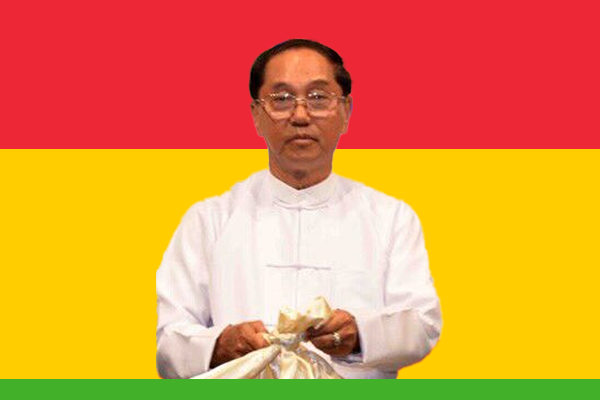
Early Life and Military Background
Myint Swe was born in Myanmar and chose a career in the armed forces at an early stage of his life. He joined the Myanmar military, also known as the Tatmadaw, where he received formal military training and developed strong leadership skills. Through discipline, loyalty, and strategic understanding, he steadily advanced through the ranks.
During his military career, Myint Swe served in several important command positions. He handled both operational and administrative responsibilities, which helped him gain experience in security management and governance. His military background strongly shaped his leadership style, emphasizing order, hierarchy, and centralized decision-making.
Rise in Government and Administrative Roles
After establishing himself within the military, Myint Swe moved into administrative and political roles. He served as the Chief Minister of the Yangon Region, one of the most important and economically vital regions of Myanmar. In this position, he oversaw urban administration, law and order, and coordination between civil authorities and security forces.
As Chief Minister, Myint Swe focused on maintaining stability and implementing government policies at the regional level. His leadership reflected a strong security-oriented approach, which aligned with the priorities of the central government and the military establishment. This role further strengthened his reputation as a reliable and disciplined administrator.
Role as Vice President of Myanmar
Myint Swe later assumed the position of Vice President of Myanmar, becoming one of the country’s top constitutional authorities. In this role, he supported the President in managing state affairs and represented the government at national and international platforms. He played an important part in policy discussions related to national security, governance, and political stability.
As Vice President, Myint Swe maintained close coordination with military leaders and senior government officials. His experience allowed him to act as a bridge between civilian administration and military institutions. He consistently emphasized national unity, sovereignty, and the protection of state authority.
Acting Presidency and Political Influence
During periods of political transition and crisis, Myint Swe’s role became even more prominent. When required by constitutional provisions, he assumed responsibilities as Acting President. In this capacity, he exercised executive authority and signed key decisions that shaped Myanmar’s political landscape.
Myint Swe’s leadership during these times reflected continuity rather than change. He supported strong central control and upheld the military-backed governance structure. His actions reinforced the dominant role of the armed forces in Myanmar’s political system.
Leadership Style and Legacy
Myint Swe leads with a firm and disciplined approach rooted in his military training. He prioritizes stability, control, and institutional authority over rapid political reform. Supporters view him as a stabilizing figure who ensures continuity in governance, while critics associate him with authoritarian practices and limited democratic openness.
Despite differing opinions, Myint Swe remains a significant figure in Myanmar’s recent history. His career illustrates the deep connection between the military and political power in the country. Through his service as Vice President and Acting President, he has left a lasting impact on Myanmar’s governance and political structure.