Nguyen Thi Binh
In Office: September 10, 1992 – August 8, 2002
Political Party: Socialist Republic of Vietnam
Home State: Châu Thành
Lifespan: born 1927
Country: Vietnam
Image credits available here.
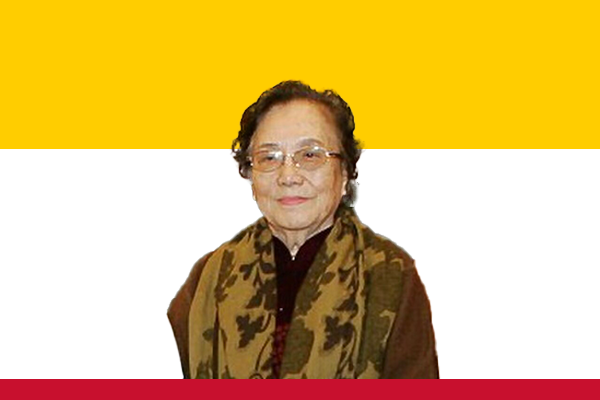
Early Life and Revolutionary Beginnings
Nguyễn Thị Bình was born on May 26, 1927, in Saigon, Vietnam. She grew up in a time of great national struggle under French colonial rule. From a young age, she developed a strong sense of patriotism and justice. She joined the anti-colonial movement while studying at Lycée Sisowath in Cambodia and later became active in Vietnam’s revolutionary organizations. She dedicated her youth to the cause of independence and worked tirelessly to promote equality and education among women and workers.
In the early 1940s, she joined the Indochinese Communist Party and began organizing political movements against colonial oppression. Her early involvement in resistance work showed her courage and commitment to the liberation of Vietnam.
Leadership During the Vietnam War
During the Vietnam War, Nguyễn Thị Bình emerged as one of the leading figures of the National Liberation Front (NLF), also known as the Viet Cong. As a strong advocate for peace and independence, she represented the Provisional Revolutionary Government of South Vietnam at international forums. She gained recognition for her diplomatic skills and became a key negotiator at the Paris Peace Accords in 1973.
At the Paris Peace Talks, she worked directly with major world powers and successfully represented the interests of the Vietnamese people. Her eloquence, intellect, and firm belief in peace earned her international respect. She emphasized Vietnam’s right to sovereignty and worked to secure the end of U.S. military involvement in Vietnam.
Nguyễn Thị Bình’s persistence helped achieve the peace agreement that ultimately led to the reunification of Vietnam. Her leadership inspired many women to participate in political and social movements, breaking barriers in a traditionally male-dominated political landscape.
Vice Presidency and Post-War Contributions
In 1992, Nguyễn Thị Bình became Vice President of the Socialist Republic of Vietnam. As Vice President, she focused on promoting education, women’s rights, and social welfare. She encouraged policies that supported gender equality and the empowerment of women in all sectors. Her leadership reflected her belief that a strong nation must ensure equal opportunities for all citizens.
She also represented Vietnam in international organizations, strengthening diplomatic relations and building Vietnam’s reputation as a peaceful and progressive nation. Her work emphasized reconciliation and national unity after years of conflict.
Beyond politics, she played a major role in social development projects. She supported educational initiatives, rural development, and efforts to reduce poverty. Nguyễn Thị Bình viewed education as the key to building a prosperous and independent Vietnam.
Legacy and Recognition
Nguyễn Thị Bình remains one of Vietnam’s most respected political figures. People across the world admire her for her diplomacy, wisdom, and devotion to peace. Her efforts during the Paris Peace Talks marked a turning point in Vietnam’s modern history. As a female leader in a turbulent era, she proved that women could lead nations with courage and vision.
She received several national and international honors for her contributions to peace and humanitarian work. Her life continues to inspire generations of Vietnamese citizens, especially young women, to take part in building a better future.
Conclusion
Nguyễn Thị Bình’s journey from a young revolutionary to Vietnam’s Vice President demonstrates the power of conviction and leadership. She actively shaped the course of her nation’s history through diplomacy, courage, and compassion. Her commitment to peace and equality continues to define her legacy as one of Vietnam’s greatest leaders.