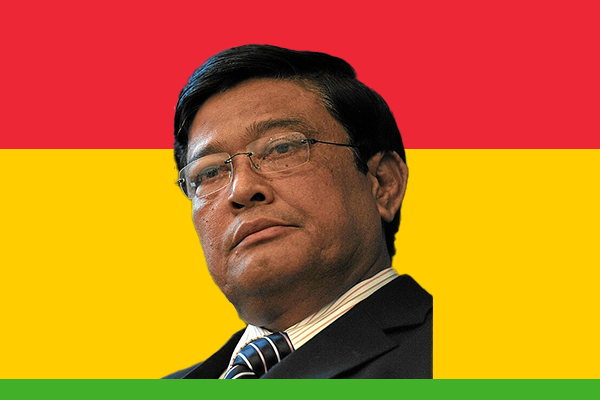
Early Life and Education
Nyan Tun was born in Myanmar and grew up during a time when the country faced political uncertainty and internal challenges. He pursued education that later supported his professional career in the armed forces. From an early stage, he demonstrated discipline and commitment, qualities that later defined his public service. His educational background helped him understand administration, leadership, and national security issues, which became central to his future roles.
Military Career and Leadership
Nyan Tun built a long and respected career in the Myanmar Armed Forces (Tatmadaw). He rose through the ranks due to his leadership skills, loyalty, and operational experience. During his service, he handled responsibilities related to defense planning and internal security. His military career allowed him to gain firsthand knowledge of Myanmar’s complex political and ethnic landscape. This experience later strengthened his role in national politics and governance.
Entry into Politics
After completing his active military service, Nyan Tun transitioned into political life. He became associated with the political structure that supported Myanmar’s new constitutional framework. His appointment reflected the continued influence of military leadership within civilian governance. By entering politics, he shifted his focus from defense operations to policy-making and national administration.
Role as Vice President of Myanmar
Nyan Tun assumed office as Vice President of Myanmar in 2011. In this role, he actively supported the President in governing the country and overseeing administrative functions. He participated in policy discussions, state affairs, and national development initiatives. As Vice President, he worked to ensure coordination between civilian institutions and the military-backed government framework. His tenure coincided with important reforms, including political liberalization and engagement with the international community.
Contributions to Governance and Stability
As Vice President, Nyan Tun contributed to maintaining political stability during a sensitive transitional period. He supported reforms that aimed to modernize governance while preserving national unity. He emphasized law and order, administrative efficiency, and cooperation among state institutions. His leadership helped the government manage internal challenges and implement gradual changes without major disruption.
Challenges and Criticism
Like many leaders in Myanmar’s transitional government, Nyan Tun faced criticism from pro-democracy groups and international observers. Critics questioned the strong military influence within the government and the pace of democratic reforms. Despite this, Nyan Tun continued to perform his constitutional duties and defended the government’s approach as necessary for stability and gradual progress.
Legacy and Significance
Nyan Tun’s legacy remains closely linked to Myanmar’s political transition in the early 21st century. He represented a bridge between military leadership and civilian governance. His service as Vice President highlighted the complexities of reform in a diverse and politically sensitive nation. While opinions about his impact vary, his role in shaping Myanmar’s transitional governance remains significant.
Conclusion
Vice President Nyan Tun played an important role in Myanmar’s political history during a period of change and reform. Through his military background and political service, he contributed to governance, stability, and administrative continuity. His career reflects the broader challenges Myanmar faced while navigating the path between military rule and civilian government.