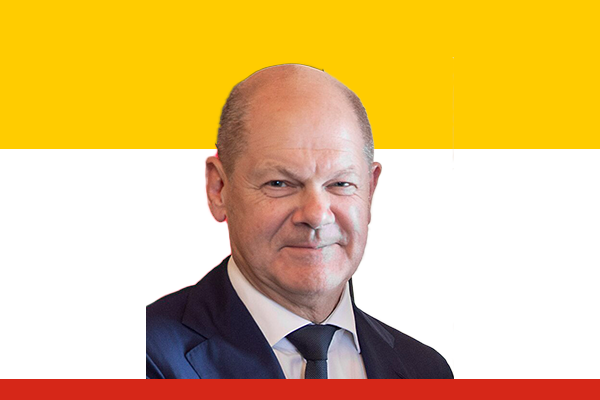
Vice President Olaf Scholz: Steering Germany’s Political Course
Olaf Scholz, a seasoned German politician, has actively shaped Germany’s political and economic policies over decades. Born on June 14, 1958, in Osnabrück, West Germany, Scholz has consistently demonstrated commitment to pragmatic governance, social democracy, and economic stability. Throughout his career, he has actively contributed to the Social Democratic Party (SPD) and guided Germany through complex domestic and international challenges.
Early Life and Political Beginnings
Scholz began his political journey by joining the SPD in 1975. He actively participated in youth political organizations and quickly assumed leadership roles within the party. His early work focused on labor rights, economic reforms, and social justice. Scholz actively developed strategies to strengthen SPD’s influence in regional politics, laying the groundwork for his rise in national leadership.
Leadership in Hamburg
From 2011 to 2018, Scholz served as the First Mayor of Hamburg, Germany’s second-largest city. During his tenure, he actively implemented policies to improve urban infrastructure, enhance social welfare programs, and foster economic growth. He actively promoted affordable housing, modernized public transport, and supported local businesses. Under his leadership, Hamburg became a model for sustainable urban development and efficient governance, showcasing Scholz’s ability to translate policy into action.
Ministerial Roles in the Federal Government
Olaf Scholz held key ministerial positions in the federal government, actively shaping national policies. From 2007 to 2009, he served as Minister of Labor and Social Affairs, actively introducing labor reforms and strengthening social security programs. Later, as Federal Minister of Finance from 2018 to 2021, Scholz actively guided Germany through complex economic challenges, including global financial uncertainties and domestic fiscal reforms. He actively implemented measures to stabilize the economy, support businesses, and maintain social equity.
Vice Chancellor of Germany
Scholz has served as Vice Chancellor of Germany since 2018, actively coordinating policies across ministries and representing Germany on the international stage. In this role, he actively engages in European Union negotiations, champions economic and social reforms, and strengthens Germany’s diplomatic relationships. Scholz actively mediates between coalition partners, ensuring that policy decisions reflect consensus and balance national priorities with global responsibilities.
Domestic and International Influence
Scholz actively participates in international forums, advocating for Germany’s leadership in global economic stability, climate action, and security cooperation. He actively negotiates trade agreements, strengthens EU partnerships, and promotes sustainable development initiatives. Domestically, he actively drives legislation that addresses income inequality, strengthens public services, and modernizes Germany’s infrastructure. His pragmatic approach and focus on results have consistently advanced Germany’s interests both at home and abroad.
Legacy and Continuing Impact
Even as Germany navigates complex political and economic challenges, Olaf Scholz actively contributes to public policy debates, providing leadership that balances innovation with social responsibility. His career reflects unwavering commitment to the principles of social democracy, fiscal prudence, and effective governance. Through active engagement in politics and policy, Scholz has left a lasting mark on Germany’s government, economy, and global reputation.
Olaf Scholz’s political journey demonstrates active leadership, strategic vision, and a dedication to social and economic progress. From regional governance in Hamburg to serving as Vice Chancellor, Scholz has actively shaped Germany’s policies, leaving a legacy of effective governance, international diplomacy, and sustainable development.