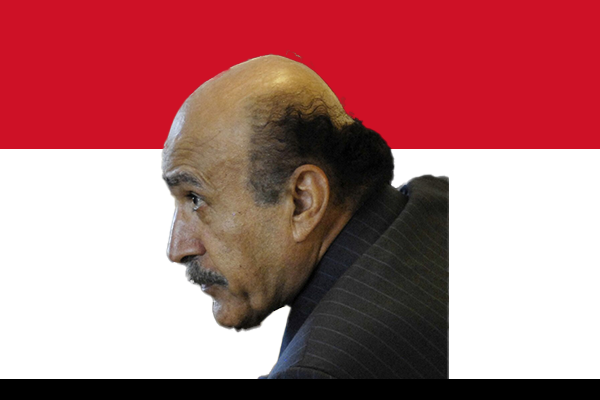
Early Life and Education
Omar Mahmoud Suleiman was born on July 2, 1936, in Qena, Egypt. He grew up in Upper Egypt and pursued education with a strong focus on military and political studies. Suleiman joined the Egyptian Military Academy and later continued advanced training in the Soviet Union. He specialized in intelligence, warfare, and national security, which built his foundation as one of Egypt’s most strategic thinkers.
Military and Intelligence Career
Suleiman began his career in the Egyptian Armed Forces, where he steadily rose through the ranks. He actively contributed to Egypt’s military strategies during regional conflicts, earning respect for his discipline and tactical skills. His expertise in intelligence and security led him to leadership positions that connected him directly with the country’s decision-making process.
In the 1990s, President Hosni Mubarak appointed him as the Director of the Egyptian General Intelligence Directorate (EGID). Suleiman strengthened Egypt’s intelligence network and built international ties with global intelligence agencies. He actively managed counterterrorism efforts, border security, and regional diplomacy. His reputation as a trusted and efficient intelligence chief grew across the Middle East and beyond.
Role in Egyptian Politics
As Egypt’s top intelligence official, Suleiman played a central role in domestic and international affairs. He directly advised President Mubarak on political and security issues. He actively mediated between Palestinian factions and supported peace negotiations with Israel, demonstrating his diplomatic skills.
In January 2011, during the Egyptian revolution, President Mubarak appointed Suleiman as Vice President of Egypt, making him the first person to hold the position in nearly 30 years. Suleiman attempted to engage with opposition groups and promised political reforms. However, the public protests continued, and Mubarak eventually resigned on February 11, 2011.
Leadership During Crisis
Suleiman worked tirelessly to stabilize the country during the 2011 revolution. He met with political groups, proposed constitutional changes, and tried to restore public confidence. Although he could not prevent Mubarak’s resignation, Suleiman showed commitment to preserving Egypt’s security and stability during one of the nation’s most critical periods.
International Diplomacy
Throughout his career, Suleiman maintained strong relationships with world leaders and intelligence counterparts. He actively represented Egypt in international negotiations, especially on Middle Eastern peace and security. Global powers respected him as a reliable partner who could balance national interests with regional stability. His influence extended beyond Egypt, shaping regional security dynamics for decades.
Later Life and Legacy
After the revolution, Suleiman stepped back from active political life. In 2012, he announced his candidacy for the Egyptian presidency but withdrew due to political and legal complications. On July 19, 2012, Omar Suleiman passed away in Cleveland, Ohio, at the age of 76.
Egypt remembers Suleiman as a disciplined soldier, a skilled intelligence officer, and a leader who defended national interests during turbulent times. His contributions to security, diplomacy, and governance left a lasting impact on Egypt’s modern history.
Conclusion
Vice President Omar Mahmoud Suleiman dedicated his life to Egypt’s security, intelligence, and diplomacy. From his early military service to his leadership during the 2011 revolution, he consistently acted to protect the nation’s sovereignty and stability. His role as Egypt’s intelligence chief and vice president highlights his importance as one of the country’s most influential figures in the late 20th and early 21st centuries.