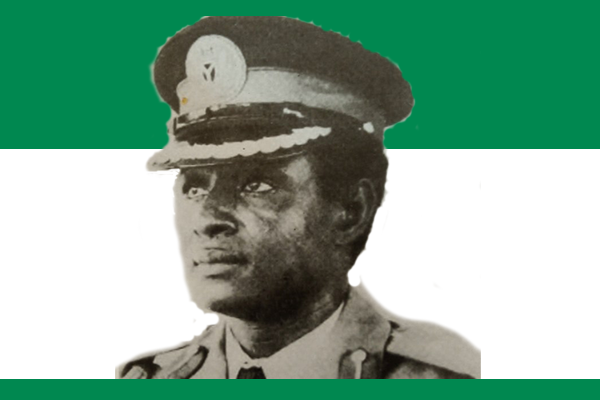
Early Life and Military Career
Shehu Musa Yar’Adua was born on August 16, 1943, in Katsina State, Nigeria. From a young age, he demonstrated discipline, intelligence, and a commitment to public service. Yar’Adua joined the Nigerian Army, where he quickly advanced through the ranks due to his strategic thinking, leadership skills, and dedication. During his military career, he actively participated in key operations and policy decisions that shaped Nigeria’s defense and governance.
Rise to Political Leadership
Yar’Adua transitioned from military service to politics, where he quickly became a prominent figure. He served as Vice President during Nigeria’s Second Republic, playing a critical role in shaping the country’s political landscape. He worked closely with the President to implement policies that strengthened national unity, promoted economic growth, and improved social welfare. Yar’Adua actively engaged with political leaders, civil servants, and community stakeholders to ensure that government programs met the people’s needs effectively.
Economic and Social Reforms
During his tenure as Vice President, Yar’Adua spearheaded economic and social initiatives aimed at improving citizens’ lives. He promoted agricultural development, empowering farmers with resources, training, and access to markets. Yar’Adua also focused on industrial growth, encouraging investments and modernizing public institutions to enhance productivity. His leadership emphasized transparency, accountability, and efficiency, ensuring that government resources were utilized effectively.
Education and Human Capital Development
Yar’Adua prioritized education and human capital development. He oversaw programs that expanded access to primary and secondary schools, improved teacher training, and introduced modern curricula. He believed that investing in education was key to Nigeria’s long-term development and worked tirelessly to create opportunities for youth empowerment and skill acquisition. His vision inspired generations of Nigerians to pursue knowledge and civic engagement.
National Security and Governance
Vice President Yar’Adua actively strengthened national security and governance structures. He supported reforms in the military and intelligence services, ensuring that the country could address internal and external threats effectively. Yar’Adua also participated in conflict resolution and crisis management, mediating disputes and promoting stability across regions. His proactive approach helped maintain peace and order during politically sensitive periods.
International Diplomacy and Influence
Yar’Adua represented Nigeria on the global stage, negotiating diplomatic agreements and fostering international partnerships. He worked to enhance Nigeria’s image abroad and attract foreign investment to support national development. His efforts in diplomacy and foreign policy contributed to Nigeria’s stronger presence in Africa and the wider international community.
Legacy and Impact
Shehu Musa Yar’Adua left a lasting legacy through his dedication to national service, leadership, and reform. He inspired a culture of integrity, civic responsibility, and strategic governance. Many young leaders and public servants looked up to him as a model of discipline, vision, and ethical leadership. His initiatives in economic reform, education, and security continue to influence Nigerian politics and governance.
Conclusion
Vice President Shehu Musa Yar’Adua actively shaped Nigeria’s development and political stability. Through his leadership, reforms, and vision, he contributed significantly to economic growth, social welfare, and national security. His legacy endures as a testament to committed public service, ethical leadership, and unwavering dedication to Nigeria’s progress.