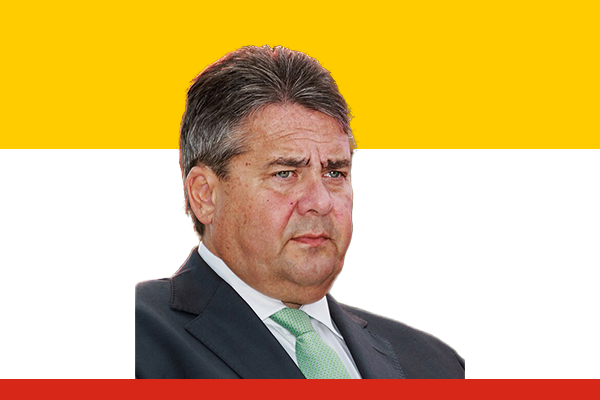
Vice President Sigmar Gabriel: Germany’s Dynamic Political Leader
Sigmar Gabriel, a leading German politician, has actively shaped Germany’s political landscape for decades. Born on September 12, 1959, in Goslar, West Germany, Gabriel joined politics with a strong commitment to social democracy and economic reform. From the start, he actively engaged in initiatives that strengthened the Social Democratic Party (SPD) and promoted progressive policies across Germany.
Early Life and Political Beginnings
Gabriel entered politics in 1977 by joining the SPD. He actively participated in youth political groups and took on leadership roles that allowed him to influence party decisions. In 1990, he won a seat in the Lower Saxony State Parliament. There, he actively advanced economic and educational reforms, emphasizing public welfare and regional development. His early work showcased his dedication to practical policies that addressed citizens’ needs.
Leadership within the SPD
In 2009, Gabriel became the leader of the SPD. He actively guided the party through challenging elections and coalition negotiations, shaping policies on energy transition, social justice, and economic stability. Under his leadership, the SPD strengthened its role in federal politics, actively influencing national legislation and governance. Gabriel also actively communicated the party’s vision to the public, advocating inclusive growth and Germany’s proactive engagement in Europe and the world.
Vice Chancellor of Germany
From 2013 to 2018, Gabriel served as Vice Chancellor under Chancellor Angela Merkel. In this role, he actively coordinated government policies, represented Germany internationally, and influenced decisions on foreign affairs, energy, and economic development. He actively engaged with European partners to strengthen Germany’s role in the European Union. Gabriel’s approach combined diplomacy with social democratic principles, ensuring economic growth aligned with fairness and sustainability.
Ministerial Roles and Achievements
Gabriel held several ministerial positions, each allowing him to actively implement impactful policies. As Minister for the Environment, Nature Conservation, and Nuclear Safety (2005–2009), he actively promoted renewable energy projects, advocated for climate protection, and negotiated international environmental agreements. Later, as Minister for Economic Affairs and Energy (2017–2018), Gabriel actively managed Germany’s energy transition policies, balancing industrial growth with environmental responsibility. In every role, he actively sought solutions that integrated economic progress with social justice.
International Diplomacy and Influence
Gabriel actively represented Germany on the global stage. He met with world leaders, shaped trade agreements, and contributed to discussions on climate change and security. He actively participated in European Union summits, ensuring Germany remained central to EU economic and political strategies. His diplomatic initiatives strengthened bilateral relations with numerous countries, enhancing Germany’s reputation as a committed and responsible global actor.
Legacy and Continuing Impact
Even after leaving high-profile offices, Gabriel continues to actively contribute to public discourse. He writes articles, participates in conferences, and engages with think tanks, shaping debates on energy, economic reforms, and international relations. His career demonstrates active leadership, strategic thinking, and a consistent focus on social democracy and sustainable development.
Sigmar Gabriel’s journey reflects a lifelong commitment to political leadership and public service. From his early days in local politics to his tenure as Vice Chancellor, Gabriel actively influenced Germany’s policies, leaving a lasting legacy in both domestic governance and international diplomacy.