Early Life and Education
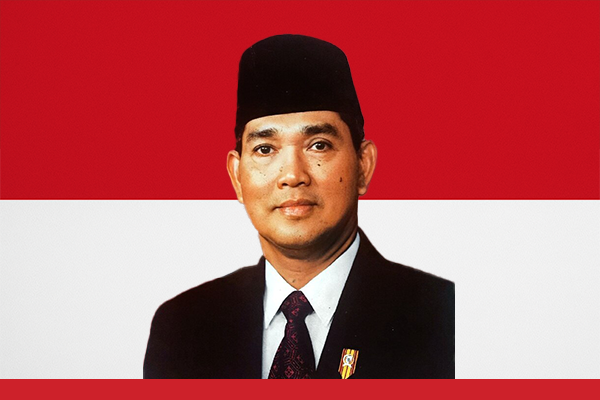
Try Sutrisno was born on November 15, 1935, in Surabaya, East Java, Indonesia. Coming from a modest family, he showed early leadership qualities and a strong sense of discipline. Sutrisno pursued military education at the Indonesian Military Academy, where he developed the skills and strategic thinking that would define his career. His dedication to learning and service earned him respect among his peers and superiors.
Military Career
Sutrisno began his military career in the Indonesian Army during the 1950s. He rose through the ranks due to his commitment, tactical knowledge, and ability to lead troops in challenging situations. Throughout the 1960s and 1970s, he commanded various military units and participated in key operations to maintain national security. His leadership during internal security operations gained him recognition as a competent and reliable officer.
Rise to Senior Military Positions
By the 1980s, Try Sutrisno had become a prominent figure in the Indonesian Armed Forces. He held several senior positions, including Commander of the Army Strategic Reserve Command (KOSTRAD). In these roles, he focused on strengthening military discipline, improving operational readiness, and fostering professional development among officers. His efforts contributed to the modernization and efficiency of Indonesia’s military forces.
Appointment as Vice President
In 1993, President Suharto appointed Try Sutrisno as Vice President of Indonesia. His selection reflected both his military experience and his reputation for integrity and loyalty to the state. As Vice President, Sutrisno worked closely with Suharto to implement government policies and maintain national stability. He actively advised on defense matters and provided input on political decisions, drawing from his extensive military background.
Role and Contributions as Vice President
During his tenure from 1993 to 1998, Vice President Sutrisno focused on national security, economic development, and social welfare. He actively supported programs aimed at poverty reduction and infrastructure improvement. He also promoted unity and national identity in a period of social and political change. Sutrisno often acted as a mediator in political discussions, helping to balance military and civilian perspectives in governance.
Navigating Political Challenges
Try Sutrisno faced significant challenges during his vice presidency, including rising political tensions and public demands for reform. He addressed these challenges by encouraging dialogue between different political factions and advocating for stability. His military experience helped him navigate crises with strategic insight, ensuring that the country remained secure while gradual reforms were considered.
Retirement from Politics
After completing his term in 1998, Try Sutrisno retired from active politics. He continued to participate in public life by providing advice on defense and national security issues. He also engaged in charitable and social activities, using his influence to support educational initiatives and veterans’ welfare programs.
Legacy and Impact
Try Sutrisno left a lasting legacy as a military leader and statesman who bridged the gap between the armed forces and civilian government. His leadership emphasized discipline, integrity, and service to the nation. Many Indonesians remember him as a stabilizing figure during a time of political transition. His career inspired future military officers to engage constructively in national governance while upholding democratic values.