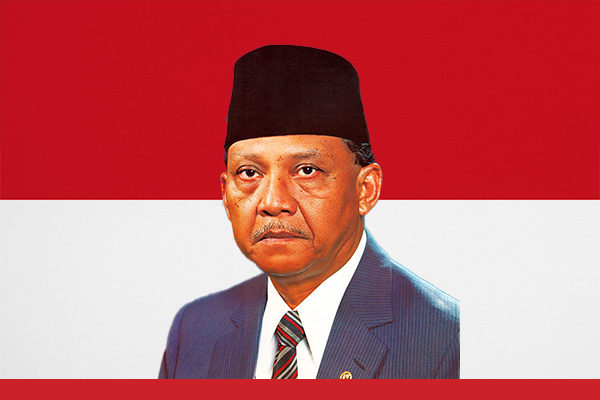
Early Life and Education
Umar Wirahadikusumah was born on October 10, 1924, in Jatinegara, Indonesia. He grew up in a period of political turbulence under Dutch colonial rule. From an early age, he displayed leadership skills and a commitment to public service. He completed his education in local schools and pursued military training, which prepared him for his future role in Indonesia’s independence movement and governance.
Military Career
Umar Wirahadikusumah began his military career in the Indonesian National Armed Forces during the country’s struggle for independence. He quickly earned recognition for his discipline, strategic thinking, and dedication to the nation. Over the years, he rose through the ranks, serving in various positions that allowed him to gain extensive experience in both military strategy and civil administration. His reputation for honesty and integrity earned him the respect of colleagues and civilians alike.
Entry into Politics
After decades of service in the military, Umar transitioned into politics to contribute to Indonesia’s development. He held several key administrative roles before being appointed as Vice President. His experience in the military and his reputation for impartiality helped him navigate complex political challenges effectively.
Vice Presidency (1983–1988)
Umar Wirahadikusumah served as the Vice President of Indonesia from 1983 to 1988 under President Suharto. During his tenure, he focused on promoting social welfare, combating corruption, and ensuring government transparency. Unlike many political figures of the time, Umar maintained a low-profile approach, emphasizing action over rhetoric.
He actively visited rural areas to assess development programs and ensure that government policies reached the people effectively. He encouraged cooperation between regional and central governments to strengthen national unity. His leadership style reflected humility, pragmatism, and a strong sense of duty.
Contributions to Social Welfare
Vice President Umar paid special attention to social welfare programs. He supported initiatives that improved education, healthcare, and rural development. He pushed for policies that addressed inequality and enhanced opportunities for underprivileged communities. His commitment to public service extended beyond political responsibilities, as he personally engaged with citizens to understand their needs.
Anti-Corruption Efforts
Umar Wirahadikusumah became known for his firm stance against corruption. He advocated for accountability among government officials and encouraged ethical governance. By promoting transparency in administration, he reinforced public trust in leadership and set a standard for integrity in Indonesian politics.
Leadership Style
Umar’s leadership style combined discipline from his military background with empathy and patience. He led by example, demonstrating dedication, honesty, and loyalty to the nation. He valued collaboration, listening carefully to advisors, officials, and citizens before making decisions. This approach strengthened both governance and public confidence in his office.
Legacy
Umar Wirahadikusumah left a lasting impact on Indonesia’s political landscape. He exemplified integrity, dedication, and a commitment to social welfare. By bridging military discipline and civil service, he strengthened national unity and promoted ethical governance. Indonesians remember him as a leader who prioritized the country’s welfare over personal gain.
Later Life and Death
After leaving office in 1988, Umar continued to contribute to social causes and remained an influential figure in Indonesian society. He passed away on March 21, 2003, leaving behind a legacy of honesty, service, and devotion to the nation.