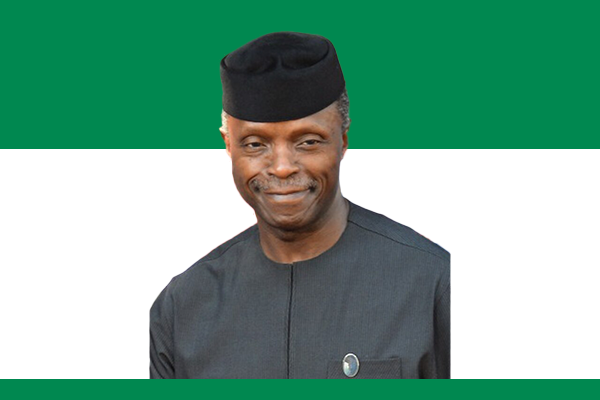
Early Life and Education
Vice President Yemi Osinbajo was born on March 8, 1957, in Lagos State, Nigeria. He grew up in a family that valued education, civic responsibility, and public service. Osinbajo attended Igbobi College in Lagos before earning his law degree from the University of Lagos. He later became a Senior Advocate of Nigeria, demonstrating his dedication to the legal profession and public service. Osinbajo’s strong educational foundation shaped his approach to governance, law, and policymaking.
Legal Career and Public Service
Osinbajo built a distinguished legal career before entering politics. He served as a law lecturer at the University of Lagos and took on significant roles in legal practice. His work in constitutional law and public policy earned him national recognition. He also chaired committees and legal panels that influenced Nigeria’s judicial reforms. Through these roles, Osinbajo developed a reputation for fairness, strategic thinking, and a commitment to justice.
Rise to Vice Presidency
In 2015, Yemi Osinbajo became Nigeria’s Vice President. From the outset, he actively collaborated with the President to implement policies that promoted economic growth, social welfare, and national unity. Osinbajo led initiatives in key sectors such as education, healthcare, and youth empowerment, ensuring that government programs reached marginalized communities. His leadership style combined practical solutions with ethical governance, earning him respect across the country.
Economic and Social Reforms
Osinbajo prioritized economic reforms to boost Nigeria’s productivity and investment opportunities. He worked with government agencies to attract foreign investments and support small and medium-sized enterprises (SMEs). By championing policies that encouraged entrepreneurship, Osinbajo created opportunities for job creation and sustainable economic growth.
He also addressed social issues, focusing on education, healthcare, and poverty reduction. Osinbajo launched programs that improved access to quality education, provided healthcare initiatives, and supported vulnerable populations. His emphasis on inclusivity and equitable development helped strengthen social cohesion across Nigeria.
Leadership During Crises
During times of national challenges, Vice President Osinbajo demonstrated decisive leadership. He coordinated government responses to crises, including natural disasters and economic disruptions, ensuring swift and effective interventions. Osinbajo also engaged with regional and international partners to address cross-border challenges, such as security threats and trade issues. His proactive approach enhanced Nigeria’s resilience in times of uncertainty.
Advocacy and Civic Engagement
Osinbajo actively promoted civic responsibility and ethical governance. He frequently engaged with citizens, youth groups, and professional associations, encouraging participation in nation-building. Through public speeches and initiatives, he inspired Nigerians to embrace accountability, leadership, and community service. Osinbajo’s emphasis on transparency and integrity set a benchmark for effective governance.
Legacy and Impact
Vice President Yemi Osinbajo’s tenure has left a lasting impact on Nigeria’s governance, economy, and society. He implemented policies that advanced development, strengthened institutions, and fostered national unity. Osinbajo continues to serve as a role model for future leaders, demonstrating how visionary leadership, ethical governance, and active engagement can transform a nation.