Mr. Zeng Qinghong
In Office: 15 March 2003 – 15 March 2008
Political Party: Communist Party of China
Home State: Ji’an
Lifespan: born 1939
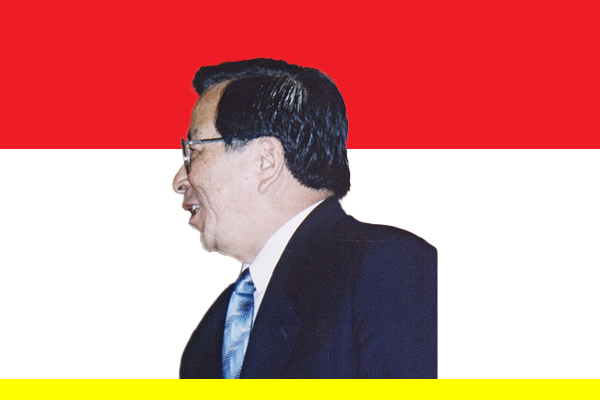
Early Life and Education
Zeng Qinghong (Chinese: 曾庆红; born July 1, 1939) was born in Ji’an, Jiangxi Province, into a politically connected family. His father, Zeng Shan, served as a senior revolutionary commander and government official, giving young Zeng early exposure to the Communist movement. He graduated from the Beijing Institute of Technology in 1963, majoring in automation, and began his career as an engineer.
Rise in the Chinese Communist Party
During the Cultural Revolution, Zeng worked in industrial roles, but his political career took off in the 1980s. He became closely associated with Jiang Zemin, serving as his chief aide during Jiang’s tenure as Shanghai Party Secretary. When Jiang rose to become General Secretary of the Chinese Communist Party in 1989, Zeng joined him in Beijing, quickly gaining influence within the Party’s central leadership.
Role in Leadership Consolidation
Zeng played a critical role in consolidating Jiang Zemin’s power during the 1990s. As head of the CCP Organization Department from 1999 to 2002, he oversaw senior personnel appointments, ensuring Jiang’s allies occupied key positions. This earned him a reputation as one of the Party’s most effective political strategists.
Vice Presidency of China
In 2003, Zeng Qinghong became Vice President of the People’s Republic of China, serving alongside President Hu Jintao until 2008. He managed high-level diplomatic missions, represented China at international events, and helped coordinate cross-strait relations with Taiwan. Domestically, Zeng continued to influence Party affairs through his role in the Politburo Standing Committee, China’s top decision-making body.
Influence on Party Reform
Zeng advocated selective political reforms within the CCP, focusing on internal discipline, anti-corruption measures, and leadership training programs. He also worked to maintain stability during China’s rapid economic growth and global integration in the early 21st century.
Retirement and Legacy
Zeng stepped down from official positions in 2008, following the Party’s age and tenure guidelines. Although he retired from public life, analysts note that his influence continued behind the scenes due to his extensive network of allies.
Zeng Qinghong’s legacy reflects his dual role as a behind-the-scenes strategist and high-profile leader. His ability to manage political transitions, maintain party unity, and represent China on the world stage ensures his place as a key figure in modern Chinese political history.