Zhu De
In Office: 27 September 1954 – 27 April 1959
Political Party: Communist Party of China
Home State: Sichuan
Lifespan: 1886–1976
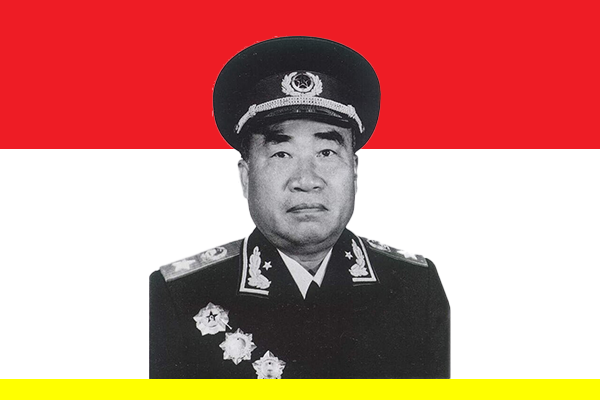
Early Life and Revolutionary Path
Zhu De was born in Yilong County, Sichuan Province, into a modest peasant family. He pursued education in teaching and later studied abroad in Germany, where he became politically active. His deep involvement in revolutionary activities led him to join the Communist movement, working alongside Mao Zedong and other leaders to shape China’s political transformation.
Military Leadership and the Long March
Zhu De’s military genius shone during the Chinese Civil War and the Long March (1934–1935), where he played a vital role in leading Communist forces to safety. As Commander-in-Chief of the Red Army, he was instrumental in building the strategic foundations of the People’s Liberation Army, ensuring its transformation into a disciplined and effective military force.
Vice Presidency (1954–1959)
In 1954, Zhu De became the first Vice President of the People’s Republic of China under President Mao Zedong. During his tenure, he contributed to consolidating the nation’s governance, strengthening defense policies, and fostering unity within the Communist Party. His leadership style combined military discipline with political pragmatism, earning him widespread respect.
Later Life and Legacy
After serving as Vice President, Zhu De continued to play influential roles in China’s political scene, including as Chairman of the National People’s Congress Standing Committee. He remained an enduring symbol of revolutionary commitment until his death in 1976.
Zhu De’s legacy endures as a national hero, master strategist, and loyal statesman. His contributions to China’s independence, military modernization, and political stability make him one of the most important figures in modern Chinese history.