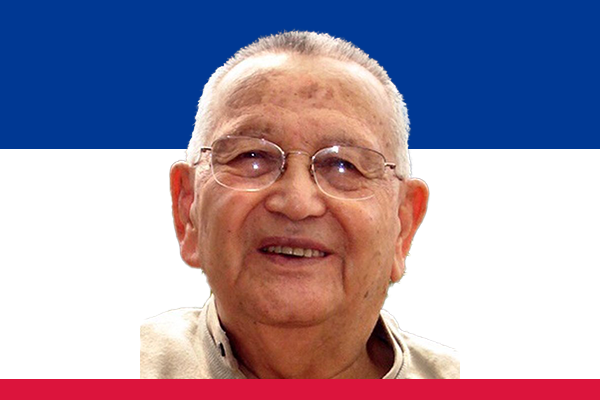
Mr. Surya Bahadur Thapa
Term 1: June 5, 2003 – June 4, 2004
Term 2: 23 December 1963 – 26 February 1964
Term 3: 26 January 1965 – 7 April 1969
Term 4: 30 May 1979 12 – July 1983
Term 5: 7 October 1997 – 15 April 1998
Political party: Rastriya Prajatantra Party
Home State: Dhankuta
Lifespan: 1928–2015
Image(A-14) credit available here.
Early Life and Background
Surya Bahadur Thapa was born on March 21, 1928, in Nepal. He grew up in a politically active environment, which shaped his interest in governance and leadership. His educational journey and exposure to national issues inspired him to participate in political movements. With determination, he entered Nepalese politics and gained recognition for his strong leadership skills.
Entry into Politics
Thapa started his political career during King Mahendra’s rule. He actively supported the introduction of the party-less Panchayat system, which became the political framework of Nepal in the 1960s. His loyalty to the monarchy and his administrative abilities helped him secure important positions within the government. By proving his efficiency, he rose steadily in Nepalese politics.
Prime Ministerial Tenures
Surya Bahadur Thapa made history by serving as the Prime Minister of Nepal five times. He first held the office in 1963 under King Mahendra. Later, he again became Prime Minister during different reigns of both King Mahendra and King Birendra. His leadership during the Panchayat era marked a significant phase in Nepal’s political development.
Thapa played a crucial role in strengthening Nepal’s governance system. He introduced administrative reforms, emphasized national unity, and promoted political stability. His repeated appointments as Prime Minister reflected his importance in Nepalese politics. Even during political changes and transitions, he managed to maintain influence and authority.
Role in Multiparty Democracy
After the 1990 People’s Movement, Nepal re-established multiparty democracy. Thapa adapted to the new political system and joined active democratic politics. He founded the Rastriya Prajatantra Party (RPP) and led it with vision. Under his guidance, the party represented monarchist and democratic values. He continued to play a key role in shaping Nepal’s parliamentary politics.
Legacy and Death
Surya Bahadur Thapa remained one of Nepal’s most resilient political figures. He demonstrated adaptability by serving in both the Panchayat system and the multiparty democratic era. His leadership influenced generations of Nepalese politicians. He passed away on April 15, 2015, in Delhi, India, leaving behind a legacy of political versatility and service to the nation.
Conclusion
Surya Bahadur Thapa’s life symbolized dedication, adaptability, and leadership. By serving Nepal five times as Prime Minister, he established himself as a central figure in the nation’s modern political history. His ability to work under both monarchy and democracy showcased his political acumen and resilience.