Lokendra Bahadur Chand
Term 1: 12 July 1983 – 21 March 1986
Term 2: 6 April 1990 – 19 April 1990
Term 3: 12 March 1997 – 7 October 1997
Term 4: 11 October 2002 – 5 June 2003
Political party: Rastriya Prajatantra Party
Home State: Baitadi District
Lifespan: born 1940
Image(A-13) credit available here.
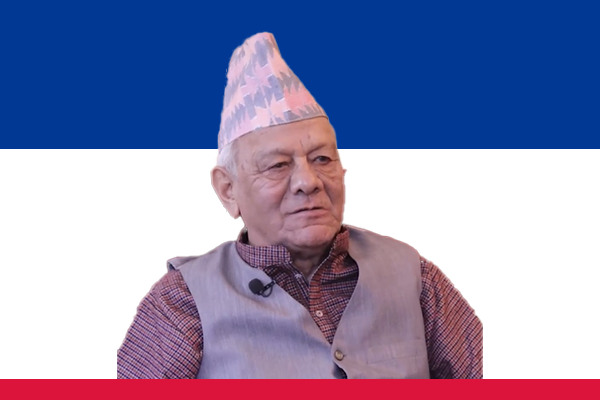
Early Life and Background
Lokendra Bahadur Chand was born in Baitadi District, Nepal, in 1940. He came from a political background and developed leadership qualities at an early age. His education and upbringing encouraged him to participate in national affairs. With strong willpower and vision, he chose politics as a way to serve the nation.
Political Career
Lokendra Bahadur Chand began his political journey under the Panchayat system and gradually rose to prominence. The King of Nepal appointed him as Prime Minister four times, proving his political influence and trust among the monarchy. Chand led the government in 1983, 1990, 1997, and 2002. His multiple tenures reflected his resilience and ability to adapt to changing political situations.
During his leadership, Chand addressed several national challenges, including economic development, political stability, and governance reforms. He introduced administrative measures to strengthen institutions and encouraged policies for modernization. Although political turmoil often disrupted his tenure, Chand consistently worked to uphold stability.
Contributions to Nepal
Lokendra Bahadur Chand contributed to the nation by prioritizing governance and economic reforms. He promoted national unity and aimed to maintain harmony among diverse communities. Chand also emphasized Nepal’s diplomatic relations with neighboring countries, especially India and China.
As a writer and intellectual, he expressed his thoughts on politics, society, and culture through his literary works. His writings enriched Nepalese literature and provided insights into the nation’s political journey.
Challenges and Resignation
Chand faced difficulties during his political career, especially in balancing democracy and monarchy. In 2002, widespread protests against his appointment as Prime Minister forced him to resign. Despite such challenges, he continued to remain an influential figure in Nepalese politics.
Legacy
Lokendra Bahadur Chand left a lasting impact on Nepal’s governance and literature. His leadership displayed determination, while his writings highlighted his intellectual depth. Generations remember him as a leader who navigated through Nepal’s transitional periods with resilience and commitment.
Conclusion
Lokendra Bahadur Chand’s life and career symbolized dedication to public service. By holding the office of Prime Minister four times, he demonstrated political strength and adaptability. His contributions to governance, diplomacy, and literature make him a remarkable figure in Nepal’s history.