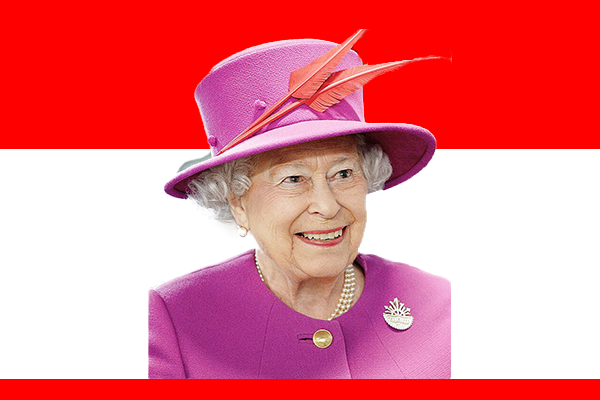
Early Life of Queen Elizabeth II
Queen Elizabeth II, the longest-reigning monarch in British history, held a significant symbolic and constitutional role as Queen of Canada from 1952 until her death in 2022. Although based in the United Kingdom, her influence extended across the Commonwealth realms, including Canada, where she served as head of state for seven decades. Her reign in Canada was marked not only by longevity but also by evolving public perception, shifting political landscapes, and the changing nature of the monarchy’s role in a modern democracy.
A Constitutional Monarchy
Canada is a constitutional monarchy, meaning that the monarch’s powers are largely ceremonial and symbolic, with real political power exercised by elected officials. When Elizabeth II ascended the throne in 1952 following the death of her father, King George VI, she automatically became Queen of Canada. This was due to the Statute of Westminster in 1931, which granted full legislative independence to Canada and other dominions. As a result, Elizabeth II became Queen of Canada in her own right—not just as a British monarch.
The Queen’s role in Canada was carried out on her behalf by the Governor General, a Canadian citizen appointed by the monarch on the advice of the Prime Minister. While Elizabeth II visited Canada 22 times during her reign, day-to-day royal duties were handled by this representative. Nevertheless, the Queen remained a deeply respected figure, appearing on Canadian currency, stamps, and in official government ceremonies.
Royal Visits and Public Image
Queen Elizabeth II was well-known in Canada, and her visits often drew large crowds and significant media attention. Her first visit as monarch was in 1957, when she opened the first session of Parliament by a reigning monarch. Over the years, she traveled extensively across the country, from major cities like Toronto and Vancouver to smaller communities in the territories. Her visits were occasions of national celebration and served to reinforce the bond between Canada and the Crown.
Over time, however, Canadian public attitudes toward the monarchy began to shift. While many continued to revere Elizabeth II personally, especially for her sense of duty and stability, others questioned the relevance of a hereditary monarchy in a modern, multicultural democracy. Despite this, support for the Queen herself remained strong, even among those who supported a republican form of government in the future.
Symbol of Unity and Stability
One of the most important roles Queen Elizabeth II played as Queen of Canada was serving as a symbol of unity and continuity. Canada underwent profound changes during her reign, including the Quiet Revolution in Quebec, the patriation of the Constitution in 1982, and the growth of Indigenous rights movements. Throughout all these transformations, the Queen remained a constant, apolitical figure above the fray of partisanship.
The Queen was also present for pivotal moments in Canada’s history. In 1982, she signed the Constitution Act alongside Prime Minister Pierre Trudeau, patriating Canada’s constitution from Britain and establishing the Canadian Charter of Rights and Freedoms. This act symbolized Canada’s full legislative independence and underscored the unique and evolving role of the monarch in Canadian life.
Relationship with Indigenous Peoples
Elizabeth II had a special relationship with many Indigenous communities in Canada. Treaties between the Crown and First Nations are considered sacred agreements, and the Queen was often viewed as a protector of these agreements. During her visits, she met with Indigenous leaders and participated in ceremonies that acknowledged this unique relationship. However, the legacy of colonialism and the role of the Crown in historical injustices, including the residential school system, have prompted calls for reconciliation and for the monarchy to play a more active role in acknowledging the past.
Her Passing and Legacy
Queen Elizabeth II passed away on September 8, 2022, at the age of 96, ending a reign of 70 years. Her death marked the end of an era for Canada and other Commonwealth realms. Across the country, flags were lowered, public ceremonies were held, and Canadians reflected on her life and reign.
While her son, Charles III, succeeded her as King of Canada, Queen Elizabeth II’s long reign left an indelible mark on the nation. For many Canadians, she represented duty, stability, and a deep connection to tradition. Whether or not the monarchy remains a permanent fixture in Canada’s future, the reign of Queen Elizabeth II will be remembered as one of enduring influence and significance.