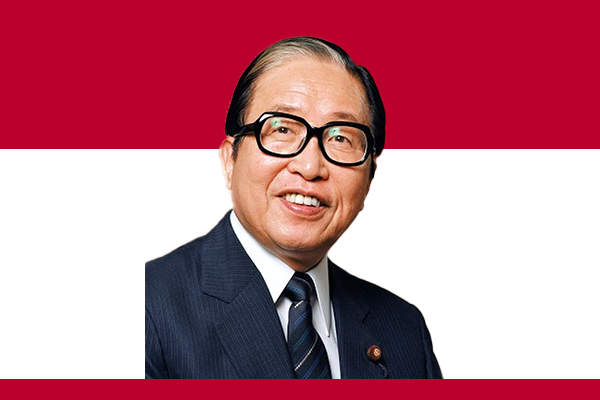
Early Life and Political Beginnings
Sōsuke Uno was born on August 27, 1922, in Moriyama, Shiga Prefecture. From a young age, he displayed strong academic and leadership skills. Uno studied law at Waseda University, where he developed an interest in politics. After graduation, he joined the Ministry of Finance, gaining crucial experience in governmental operations. His expertise and dedication quickly propelled him into national politics, where he would make a significant mark.
Rise in Japanese Politics
Uno entered the House of Representatives in 1960 as a member of the Liberal Democratic Party (LDP). Throughout his early political career, he focused on foreign affairs and economic policy, earning respect for his negotiation skills and diplomacy. He served in multiple cabinet positions, including Minister of International Trade and Industry. His work strengthened Japan’s economic ties with global partners and contributed to domestic economic growth.
Uno steadily climbed the LDP ranks due to his ability to navigate complex political landscapes. He gained a reputation as a pragmatic and solution-oriented leader, often mediating between party factions.
Becoming Prime Minister
The LDP faced internal turmoil in 1989 following the resignation of Prime Minister Noboru Takeshita amid a corruption scandal. Party members selected Sōsuke Uno as the next Prime Minister, recognizing his experience and moderate stance. He officially assumed office on June 3, 1989, aiming to restore public trust and stabilize the party.
Uno immediately tackled pressing issues, including Japan’s economic policy and international diplomacy. He advocated for trade expansion and sought to improve relations with key allies, such as the United States. His approach reflected a balance between economic growth and maintaining Japan’s global standing.
Challenges and Controversies
Despite his experience, Uno faced significant challenges during his tenure. Public scrutiny intensified when reports of a personal scandal surfaced, attracting widespread media attention. The controversy eroded public confidence and weakened his political support. Many LDP members urged him to resign to protect the party’s image and upcoming elections.
Uno also confronted economic concerns, including a slowing bubble economy. While he proposed measures to sustain growth, his short term limited the effectiveness of these policies. Internal party disagreements further complicated his efforts to implement reforms.
Resignation and Legacy
After just over two months in office, Sōsuke Uno resigned on August 10, 1989. His brief tenure remains one of the shortest in Japanese history. Despite the brevity of his term, Uno’s political career spanned decades, during which he contributed to Japan’s economic development and foreign relations.
Uno returned to the Diet, continuing to influence policy through advisory roles and mentoring younger politicians. Historians recognize his pragmatic approach to governance and his attempts to maintain stability during a politically turbulent period.
Conclusion
Sōsuke Uno’s time as Prime Minister may have been brief, but his lifelong dedication to Japanese politics left a lasting impact. From his early days in finance to his leadership in the Diet, Uno demonstrated a commitment to public service, negotiation, and diplomacy. While scandals overshadowed his premiership, his broader contributions to Japan’s political and economic landscape remain significant.