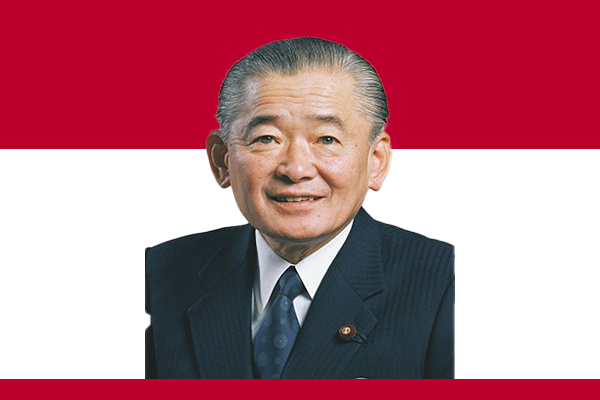
Early Life and Education
Noboru Takeshita was born on February 26, 1924, in Unnan, Shimane Prefecture. He pursued higher education at Waseda University, where he studied law and developed an early interest in politics. After graduating, Takeshita began his career in government service, laying the groundwork for his future in Japanese politics.
Political Career Beginnings
Takeshita entered politics in 1958, when voters elected him to the House of Representatives. He quickly gained recognition for his organizational skills and political acumen. Over the years, he assumed various positions within the Liberal Democratic Party (LDP), gradually building influence and trust among his peers.
Rise to Power
In 1976, Takeshita gained a more prominent role when he became Minister of Finance under Prime Minister Takeo Fukuda. He demonstrated a sharp understanding of fiscal policy and economic management, which positioned him as a potential future leader. During the 1980s, he played a critical role in orchestrating behind-the-scenes political alliances, showcasing his skill as a party strategist.
Premiership: 1987–1989
The LDP elected Takeshita as Prime Minister in November 1987. He inherited an economy experiencing rapid growth, but also mounting challenges, including the beginnings of an asset price bubble. Takeshita actively pursued economic policies aimed at sustaining growth while implementing tax reforms to maintain fiscal stability.
During his tenure, he successfully negotiated international trade agreements and strengthened Japan’s diplomatic relations. His administration focused on both domestic economic prosperity and international cooperation, solidifying Japan’s reputation as a global economic leader.
Political Reforms and Controversies
Takeshita’s administration introduced significant political reforms. Most notably, he worked to revise Japan’s electoral system, aiming to reduce corruption and improve transparency. However, his tenure also faced challenges. The Recruit Scandal, which involved financial misconduct among politicians and corporate executives, emerged during his time in office. Takeshita took responsibility and resigned in 1989, reflecting a sense of accountability and commitment to political ethics.
Leadership Style
Takeshita earned respect for his pragmatic and strategic approach. He often worked behind the scenes, relying on his keen understanding of party politics and personal relationships. Colleagues described him as a tactician who could balance competing interests and guide the government through complex economic and political situations.
Legacy
Despite controversies, Takeshita’s influence on Japanese politics remains significant. He contributed to shaping the LDP’s internal structures and played a key role in modernizing Japan’s political and economic systems. Many contemporary politicians regard him as a mentor and strategist whose methods continue to inspire political leadership.
Later Life and Death
After resigning, Takeshita remained active as an elder statesman and advisor within the LDP. He continued to mentor younger politicians and participate in public discourse until his death on June 19, 2000. His legacy lives on in the policies he enacted and the political networks he cultivated.
Conclusion
Prime Minister Noboru Takeshita exemplified strategic leadership, political acumen, and dedication to public service. His tenure saw Japan navigate economic expansion and political reform, leaving a lasting mark on the nation’s governance and political culture.