Early Life and Education
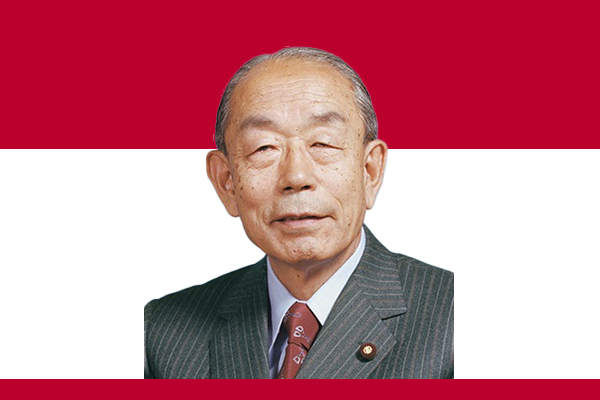
Takeo Fukuda was born on January 14, 1905, in Takasaki, Gunma Prefecture, Japan. He grew up in a middle-class family that valued education and hard work. Fukuda attended the prestigious Tokyo Imperial University, where he studied law and developed a keen interest in politics and administration. After graduating, he entered the Ministry of Finance, where he built a reputation for his expertise in fiscal matters and economic planning.
Political Career Begins
Fukuda entered politics after World War II, during Japan’s reconstruction phase. He joined the Liberal Democratic Party (LDP) and quickly rose through the ranks because of his administrative skills and dedication. As a member of the Diet, Japan’s parliament, he actively participated in discussions on economic reforms, taxation, and foreign policy.
Rise to Prominence
The LDP leaders recognized Fukuda’s capabilities and appointed him to several key ministerial positions. He served as Minister of Agriculture, Minister of Finance, and Minister of Foreign Affairs at different times. Each role allowed him to shape Japan’s postwar policies effectively. As Minister of Finance, he implemented strategies that stabilized Japan’s economy and promoted rapid industrial growth. His pragmatic approach won him respect within his party and among the Japanese public.
Becoming Prime Minister
In December 1976, the LDP chose Takeo Fukuda as Prime Minister of Japan. He assumed office after a series of political scandals had shaken public confidence in the government. Fukuda promised transparency, economic stability, and improved foreign relations. His leadership aimed to restore trust in Japan’s political system while ensuring steady economic progress.
Economic Policies and Achievements
Fukuda introduced policies that encouraged economic stability and reduced inflation. He supported free-market reforms while strengthening Japan’s international trade ties. His administration promoted technology and industrial innovation, which contributed to Japan’s emergence as a global economic power. He believed in balancing economic growth with social welfare, ensuring that the benefits of development reached ordinary citizens.
Foreign Policy and Diplomacy
As Prime Minister, Fukuda emphasized diplomacy and peaceful relations. He introduced the Fukuda Doctrine in 1977, which pledged Japan’s commitment to peace, nonmilitarization, and mutual trust with Southeast Asian nations. This policy improved Japan’s image in the region and fostered stronger economic and political cooperation. Fukuda also strengthened Japan’s ties with the United States and other Western allies, ensuring Japan played a constructive role in global affairs.
Challenges During His Tenure
Fukuda faced challenges such as rising oil prices, domestic political rivalries, and growing demands for political reforms. Despite these obstacles, he maintained a focus on economic growth and international diplomacy. His ability to handle crises calmly and logically earned him a reputation as a steady and reliable leader.
Later Life and Legacy
Takeo Fukuda resigned in 1978 after losing leadership within the LDP but continued to influence Japanese politics through his ideas and policies. He passed away on July 5, 1995. Historians remember him as a leader who strengthened Japan’s economy, improved regional diplomacy, and left behind a legacy of peace and cooperation.
Conclusion
Takeo Fukuda transformed Japan through his economic reforms and diplomatic efforts. His leadership during a crucial phase in Japan’s history ensured stability, growth, and international respect. Today, scholars credit him for shaping modern Japan’s political and economic foundations.