THE UNITED STATES
The United States’ Flag
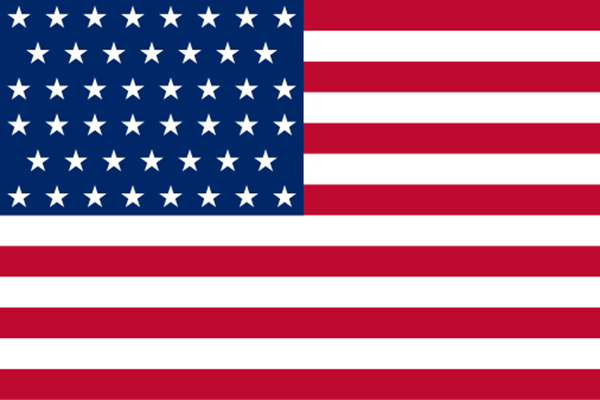
The American flag, known as the “Stars and Stripes,” is a powerful symbol of the United States’ history, values, and unity. It features 13 horizontal stripes—7 red and 6 white—representing the original 13 colonies that declared independence from Britain. In the upper left corner, a blue field contains 50 white stars, each representing one of the 50 states. Adopted on June 14, 1777, the flag has evolved as the nation grew, with stars added as new states joined the Union.
Red signifies valor and bravery, white symbolizes purity and innocence, and blue stands for vigilance, perseverance, and justice. The flag is proudly displayed on national holidays like Independence Day and Memorial Day and serves as a source of inspiration and patriotism. It also honors those who have served and sacrificed for the country. The American flag remains a timeless emblem of freedom and democracy.
Overview
Geography and Regional Diversity of the United States
The United States of America (USA) covers nearly 9.8 million square kilometers, making it the fourth-largest country by area worldwide. It comprises 50 states, including 48 contiguous states, the state of Alaska in North America’s northwest, and Hawaii in the central Pacific Ocean. The country borders Canada to the north and Mexico to the south. It also has coastlines on both the Atlantic and Pacific Oceans, plus the Gulf of Mexico. This strategic location provides the U.S. with significant advantages for trade and defense.
America’s landscapes vary dramatically. The Appalachian Mountains run along the East Coast, while the Rocky Mountains dominate the West. Between these ranges lies the expansive Great Plains, ideal for farming and ranching. To the west of the Rockies, the Intermountain West features deserts and plateaus, including famous landmarks like the Grand Canyon. Meanwhile, the Pacific Coast ranges from rainy forests in Washington State to dry valleys in California. The Mississippi River runs through the country, supporting commerce and agriculture along its route.
In addition to diverse terrain, the U.S. hosts numerous natural wonders such as Yellowstone National Park and the Everglades. These protected areas provide habitats for unique plants and animals. Due to its vast geography, the country supports varied ecosystems and climates. The geography not only shapes American life but also fuels economic activities such as agriculture, tourism, and international trade through major ports like Los Angeles and New York.
Cultural Diversity and Immigration in American Society
American culture stands out because of its remarkable diversity. Over centuries, millions of immigrants have arrived seeking freedom, opportunity, and better lives. This influx created a multicultural society unlike any other in the world. Unlike countries with more uniform populations, the U.S. thrives on a mixture of ethnicities, languages, and traditions.
Native Americans were the original inhabitants and still influence culture through their art and spirituality. African Americans, descendants of enslaved peoples, have contributed profoundly to music, literature, and civil rights. Latino, Asian, and Middle Eastern communities have also added vibrant customs, foods, and languages. Cities such as New York and Los Angeles showcase this diversity, blending many cultures seamlessly.
America plays a significant role globally through its culture. Hollywood films, pop music, and tech brands like Apple and Google are recognized worldwide. English remains the dominant language, though many Americans speak multiple languages. Additionally, prestigious universities attract students globally, adding to the country’s cultural mosaic.
Religion in America is varied. Christianity is predominant, but many practice Islam, Judaism, Hinduism, Buddhism, or identify as non-religious. The First Amendment guarantees freedom of religion and expression, fostering pluralism. This freedom allows Americans to celebrate different identities and beliefs. Overall, the United States remains a symbol of diversity and opportunity.
Economy, Innovation, and Global Influence
The United States leads as a global economic powerhouse. It boasts the largest nominal GDP worldwide and plays a vital role in international trade and finance. Key industries include technology, manufacturing, agriculture, healthcare, and energy. The country’s vast natural resources, like oil and coal, support its energy needs and exports. Additionally, America produces major agricultural products, such as corn, soybeans, and wheat.
Innovation drives the U.S. economy. Silicon Valley hosts giants like Microsoft, Google, and Amazon, revolutionizing technology and commerce. The government and private sector invest heavily in research and development. The legal system supports startups by protecting intellectual property and encouraging entrepreneurship. This ecosystem fosters continuous growth and attracts global investors.
Beyond economics, the U.S. holds significant political and military influence worldwide. It is a key member of organizations like the United Nations (UN) and NATO. The country shapes global policies and security, leveraging its strong military. However, it faces internal challenges, such as income inequality and political division. Despite these, the U.S. continues to champion human rights, free speech, and democracy globally. Its cultural exports and education system also bolster its global leadership.