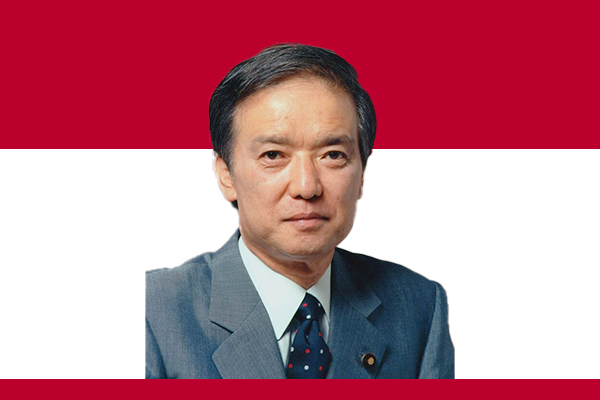
Early Life and Education
Toshiki Kaifu was born on January 2, 1931, in Nagoya, Aichi Prefecture. He graduated from Waseda University, where he studied political science and law. During his university years, Kaifu actively participated in student political movements, laying the foundation for his future career in public service.
Political Rise
Kaifu entered politics in 1960, winning a seat in the House of Representatives as a member of the Liberal Democratic Party (LDP). He built a reputation for integrity and diligence, often emphasizing transparency in government. Over the next two decades, Kaifu held several key positions, including Parliamentary Secretary for Finance and Minister of Education, before ascending to the premiership.
Becoming Prime Minister
In August 1989, following the resignation of Prime Minister Sousuke Uno due to political scandal, the LDP selected Kaifu as the new party leader. Kaifu quickly assumed the role of Prime Minister. He focused on restoring public trust in government, addressing corruption issues, and implementing political reforms. His calm and approachable style helped him gain support from both the public and his party colleagues.
Domestic Policies
During his tenure, Kaifu championed economic reforms aimed at stabilizing Japan’s booming economy. He promoted small business growth, improved social welfare programs, and encouraged technological innovation. Kaifu also worked to reduce bureaucratic inefficiencies, believing that government transparency would strengthen citizen confidence.
Kaifu advocated for educational reform, supporting policies that expanded access to higher education and promoted lifelong learning. He emphasized that Japan’s future depended on nurturing a skilled and informed population capable of competing in the global economy.
Foreign Relations
On the international stage, Kaifu strengthened Japan’s ties with the United States and other Western allies. He actively participated in diplomatic dialogues and trade negotiations to maintain Japan’s influence in global affairs. Notably, Kaifu attended G7 summits, where he emphasized Japan’s commitment to international cooperation and economic stability.
Kaifu also played a role in easing tensions with neighboring Asian countries. He promoted dialogue and cultural exchanges to foster goodwill and mutual understanding, reflecting his belief that diplomacy and communication could prevent regional conflicts.
Challenges and Resignation
Despite his achievements, Kaifu faced political challenges, including factional disputes within the LDP and criticisms of his economic policies. In 1991, he stepped down from the premiership, handing leadership to Kiichi Miyazawa. Kaifu remained active in politics, supporting reform initiatives and mentoring younger politicians.
Legacy
Toshiki Kaifu left a legacy of integrity, moderation, and reform-oriented leadership. He demonstrated that political leadership could combine pragmatism with ethical governance. Even after leaving office, Kaifu continued to influence Japanese politics through advisory roles and public speeches, advocating for policies that prioritized fairness, transparency, and social development.