Mr. Chris Watson
In Office: 27 April 1904 – 18 August 1904
Political Party: Labor
Home State: Valparaíso
Lifespan: 1867–1941
Country: Australia
Image credits available here.
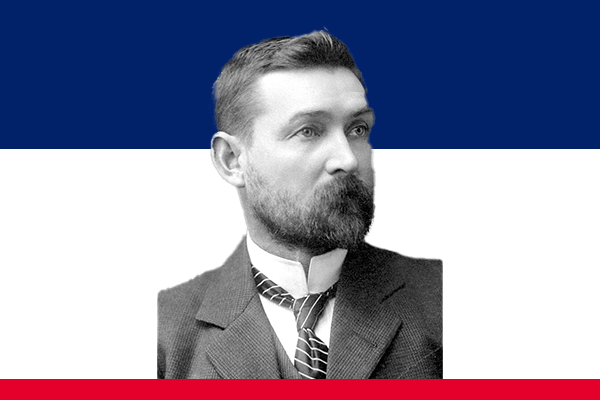
Early Life and Background
Chris Watson was born in Valparaíso, Chile, on 9 April 1867. His father was a Chilean German sailor, and his mother was of Irish descent. After the family moved to New Zealand, Watson received his early education there. In 1886, he migrated to Sydney, where he worked as a compositor. His working-class background influenced his political outlook and inspired his lifelong advocacy for labor rights and social reform.
Rise in Politics
Watson entered politics by joining the Typographical Association and soon became active in the broader labor movement. In 1894, he won election to the New South Wales Legislative Assembly as a Labor member for Young. His eloquence and leadership skills quickly earned him respect among his colleagues. When the Labor Party formed nationally, Watson took a central role, promoting unity across state divisions. In 1901, he entered the first federal Parliament as the member for Bland, New South Wales.
Leadership of the Labor Party
By 1901, the Labor Party emerged as a rising political force in Australia. Watson became its leader in 1901, only at the age of 34, making him one of the youngest party leaders in Australian history. He emphasized compromise and pragmatism, enabling the party to wield influence despite not holding a majority. Under his leadership, Labor adopted policies that sought to improve conditions for workers, including wage reforms, workplace protections, and social welfare measures.
Prime Ministership in 1904
In April 1904, Watson became Prime Minister after the resignation of Alfred Deakin and the collapse of George Reid’s minority government. At just 37 years old, Watson became the youngest Prime Minister in Australia’s history at that time. His government lasted only four months, but it marked a turning point in the nation’s politics.
Watson’s administration introduced progressive legislation, including measures for compulsory arbitration to resolve industrial disputes. Although the Senate blocked many reforms, he showed that Labor could govern responsibly at the federal level. His leadership legitimized the Labor Party as a credible alternative to existing political forces.
Political Challenges and Resignation
Watson faced significant challenges during his short tenure. Without a clear majority in either house, his government struggled to pass laws. Conflicts over tariff policy and industrial reforms weakened his position. In August 1904, he resigned after losing parliamentary support. Despite this, his government left an enduring legacy by demonstrating that Labor could form a stable and responsible administration.
Later Career and Contributions
After stepping down as Prime Minister, Watson continued to play a vital role in Labor politics. He remained leader of the Labor Party until 1907 and supported reforms that aimed to strengthen workers’ rights. Later, he retired from Parliament in 1910 but stayed active in public life through business ventures and community involvement.
Watson also influenced national policy debates, including those on arbitration, conciliation, and immigration. He promoted the “White Australia Policy,” which reflected the prevailing attitudes of his era, though today it stands as a controversial aspect of his political stance.
Legacy and Impact
Chris Watson remains a historic figure in Australian politics. He became the first Labor Prime Minister in the world to hold national office, setting a precedent for future Labor governments. His leadership proved that progressive politics could gain power democratically and contribute to shaping national policy.
Watson’s career symbolized the aspirations of working-class Australians at the turn of the 20th century. Although his term as Prime Minister was brief, his impact on the Labor Party and the political landscape of Australia was long-lasting. He laid the groundwork for future leaders who expanded on his vision of fairness, democracy, and workers’ rights.