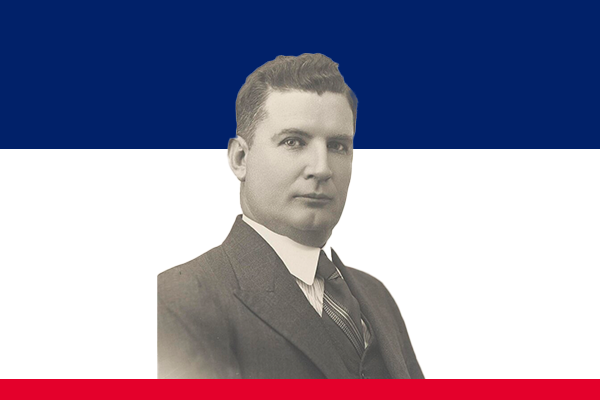
Early Life and Background
Arthur Fadden was born on April 13, 1894, in Ingham, Queensland. He grew up in modest circumstances and pursued a career as an accountant. His sharp mind and dedication to public service soon drew him toward politics. Fadden built his reputation on financial expertise, which later became the foundation of his political leadership.
Entry into Politics
Fadden entered local politics in Queensland and quickly made his mark as a capable leader. He won a seat in the Queensland Parliament in 1932 and later transitioned to the federal level in 1936, representing the seat of Darling Downs for the Country Party. His reputation as a skilled debater and financial strategist earned him respect across party lines.
Rise to Leadership
As a member of the Country Party, Fadden aligned himself with the United Australia Party in coalition governments. He served as Treasurer under Prime Minister Robert Menzies and played a central role in shaping Australia’s wartime economy. His careful management of national finances highlighted his leadership qualities and prepared him for higher office.
Prime Ministership in 1941
Arthur Fadden became Australia’s 13th Prime Minister on August 29, 1941, after Robert Menzies resigned. Leading a coalition government of the United Australia Party and the Country Party, Fadden faced enormous challenges. World War II dominated Australian politics, and his leadership coincided with growing demands for strong wartime strategies.
Fadden attempted to balance wartime responsibilities with domestic economic management. He introduced financial policies to strengthen the national economy during the global conflict. Despite his best efforts, he lacked a strong parliamentary majority, which made his position fragile.
On October 7, 1941, his government fell after two independents withdrew their support. Labor leader John Curtin then became Prime Minister, marking the end of Fadden’s short tenure.
Role as Treasurer
Although Fadden served as Prime Minister for only six weeks, his contributions as Treasurer left a more lasting mark. He returned to the Treasury under Prime Ministers John Curtin and later Robert Menzies, managing the nation’s finances during wartime and postwar recovery.
Fadden introduced several federal budgets that emphasized taxation reforms and war-related expenditures. His leadership helped Australia sustain its economic stability during the most critical years of the war.
Leadership of the Country Party
Fadden remained the leader of the Country Party from 1941 until 1958. Under his guidance, the party played a crucial role in shaping coalition politics in Australia. He maintained a strong partnership with Robert Menzies, ensuring the Country Party’s influence in government policies. His pragmatic approach allowed the coalition to remain stable and effective for many years.
Later Life and Retirement
Arthur Fadden retired from politics in 1958 after more than two decades of service at the federal level. His long parliamentary career demonstrated resilience, loyalty, and a commitment to economic responsibility. In recognition of his service, he received a knighthood in 1964.
He passed away on April 21, 1973, leaving behind a legacy of dedicated public service and financial stewardship.
Legacy
Arthur Fadden’s prime ministership may have been brief, but his contributions to Australian politics were significant. As Treasurer and leader of the Country Party, he influenced national policies during a period of great global uncertainty. His reputation as a steady and pragmatic politician remains part of Australia’s political history.