Mr. John Gorton
In Office: 10 January 1968 – 10 March 1971
Political Party: Liberal
Home State: Wellington
Lifespan: 1911–2002
Country: Australia
Image credits available here.
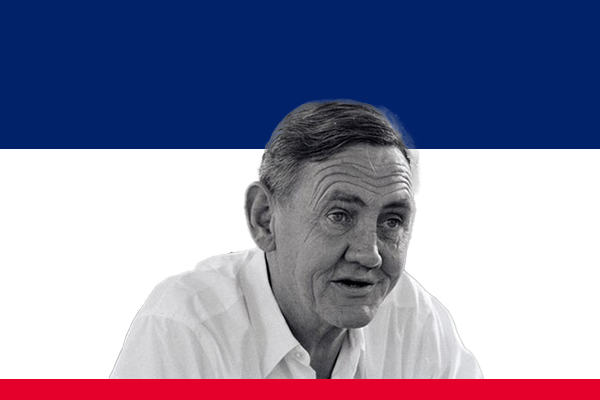
Early Life and Career
John Grey Gorton was born on September 9, 1911, in Melbourne, Victoria. He grew up in a family that valued education and public service. Gorton attended Geelong Grammar School and later enrolled at the University of Melbourne, where he studied arts. His academic years were complemented by his involvement in debating societies, which honed his communication and leadership skills.
Gorton served in the Royal Australian Air Force during World War II, gaining recognition for his courage and dedication. After the war, he entered politics, joining the Liberal Party and winning a Senate seat in 1949. His work in the Senate demonstrated his commitment to national development, particularly in areas of infrastructure, defense, and education.
Rise to Prime Ministership
In 1968, Prime Minister Harold Holt disappeared while swimming at Cheviot Beach, leaving the nation shocked and in need of steady leadership. The Liberal Party selected Gorton as Holt’s successor. Gorton transitioned from the Senate to the House of Representatives to meet constitutional requirements for the prime ministership.
Upon assuming office, Gorton adopted an active and hands-on approach to governance. He personally engaged with ministers, diplomats, and international leaders, asserting his vision for Australia on both domestic and global stages. He sought to strengthen Australia’s defense forces while balancing economic development with social progress.
Leadership Style and Policies
Gorton’s leadership style reflected directness and decisiveness. He encouraged ministers to innovate and take responsibility while maintaining overall government coherence. Gorton championed policies that modernized Australia’s defense and foreign affairs strategies, emphasizing independence from traditional allies when necessary.
He advanced programs to develop Australia’s manufacturing sector, investing in industries such as steel production and shipbuilding. Gorton also promoted the arts and higher education, believing that national progress required cultural as well as economic development. He actively supported Australian artists and universities, expanding funding and national programs.
In foreign policy, Gorton strengthened ties with Asian nations while maintaining strong alliances with the United States and the United Kingdom. He actively participated in international forums, emphasizing Australia’s growing role as a regional leader.
Challenges and Controversies
Despite his achievements, Gorton faced internal party tensions and criticism. Some party members considered his methods unconventional and his style confrontational. He clashed with cabinet colleagues and party elders, which eventually undermined his authority.
In 1971, mounting internal dissent led Gorton to resign as Prime Minister. His decision reflected both his integrity and recognition that party unity was essential for governance. Even after leaving office, Gorton remained active in public life, serving as a senator until 1975 and contributing to public discourse on defense and national policy.
Legacy
John Gorton left a complex but significant legacy in Australian politics. He modernized aspects of defense, advanced economic and cultural policies, and demonstrated a leadership style that valued independence and innovation. His contributions reshaped Australia’s national identity and political landscape.
Gorton passed away on May 19, 2002, remembered as a leader who faced challenges with courage and conviction. Historians and political analysts continue to study his tenure for insights into leadership, crisis management, and the evolution of Australian governance.