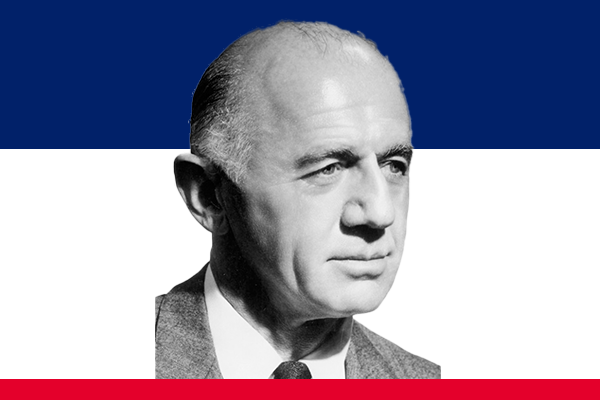
Early Life and Education
William McMahon was born on February 23, 1908, in Sydney, Australia. He attended Sydney Boys High School and later enrolled at the University of Sydney, where he studied law. After graduating, McMahon became a solicitor and quickly developed a reputation for his sharp intellect and attention to detail. His early career laid the foundation for his entry into politics, equipping him with skills in negotiation, public speaking, and legal analysis.
Political Career Before Prime Ministership
McMahon joined the Liberal Party of Australia in the 1930s and entered the House of Representatives in 1949 as the member for Lowe. During his tenure, he served in multiple ministerial roles, including Minister for External Affairs, Treasurer, and Minister for Labour and National Service. McMahon actively shaped policies on foreign affairs and economic management, often emphasizing stability and pragmatic governance.
Throughout these roles, he advocated for stronger ties with the United States and the United Kingdom while navigating the complexities of the Cold War era. His contributions in these positions earned him recognition as a skilled administrator and a politician capable of balancing domestic priorities with international obligations.
Ascension to Prime Minister
In 1971, McMahon succeeded John Gorton as Prime Minister of Australia. He assumed leadership during a period of political turbulence within the Liberal Party. Immediately upon taking office, McMahon worked to stabilize his party and maintain public confidence in the government.
He implemented policies aimed at economic growth, including budget adjustments and support for industry, while continuing to prioritize foreign relations. McMahon personally engaged with international leaders to promote Australia’s strategic interests, attending key diplomatic meetings and strengthening bilateral partnerships.
Challenges and Criticisms
Despite his experience, McMahon faced considerable criticism during his tenure. He encountered difficulties in addressing inflation and unemployment, and his leadership style often drew scrutiny from both colleagues and the media. Political opponents questioned his decisiveness, while some members of his own party expressed concerns about internal divisions.
Nevertheless, McMahon maintained a commitment to governance, often emphasizing careful deliberation and consensus-building. His dedication to public service remained evident, even as electoral pressures mounted and the 1972 federal election approached.
Legacy and Later Life
William McMahon’s term as Prime Minister ended in December 1972, when Gough Whitlam led the Labor Party to victory. After leaving office, McMahon continued to participate in political life as a member of the Liberal Party, contributing his experience and insights to party strategy and public discourse.
Historians often view McMahon as a pragmatic leader who worked diligently behind the scenes, even if he lacked the charismatic appeal of some of his predecessors. He passed away on March 31, 1988, leaving behind a legacy of steady administration and commitment to public service.
Conclusion
William McMahon played a crucial role in shaping mid-20th-century Australian politics. Through his legal expertise, ministerial service, and leadership as Prime Minister, he demonstrated a strong commitment to governance, economic stability, and international diplomacy. While his time in office faced challenges, his contributions to Australia’s political landscape remain significant.