Kings of Australia
Kings of Australia: The Constitutional Monarchs
Australia does not have native kings like some countries; instead, it functions as a constitutional monarchy under the British crown. Since its federation in 1901, the country has recognized the King or Queen of the United Kingdom as its monarch, serving as the ceremonial head of state. While the monarch holds no direct political power, they play a symbolic role in Australia’s governance, represented locally by the Governor-General.
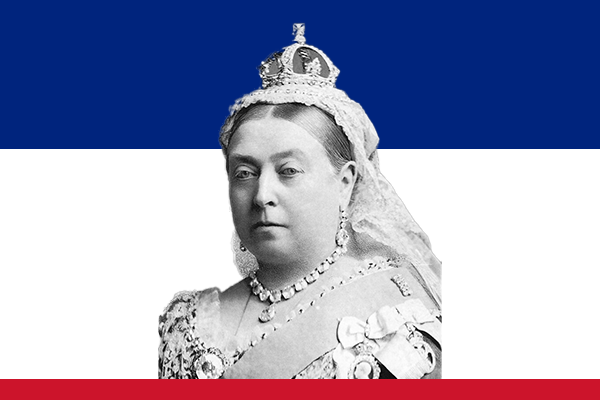
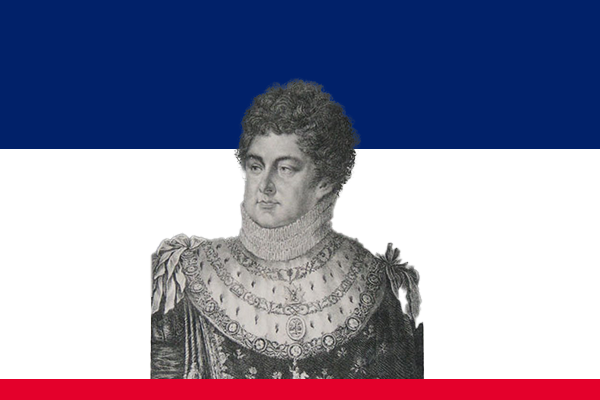
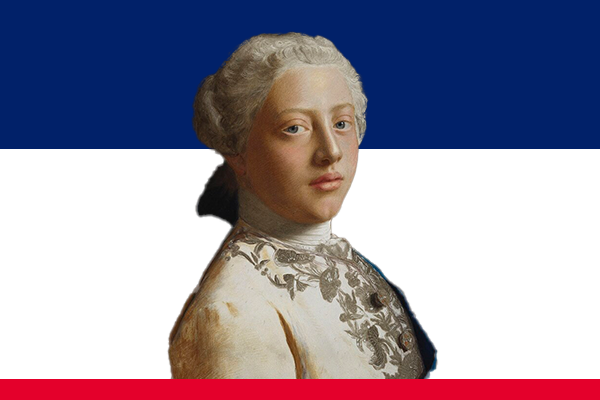
LIST OT KINGS OF AUSTRALIA



Historical Background
When Australia became a federation on 1 January 1901, it united six separate British colonies into a single nation. At that time, King Edward VII was the reigning monarch. Every subsequent British monarch has automatically become the monarch of Australia. This arrangement reflects Australia’s ties to Britain, blending tradition with modern governance.
Role of the Monarch in Australia
The Australian monarch’s duties are largely ceremonial and constitutional. They appoint the Governor-General, who acts as the monarch’s representative in Australia. The Governor-General performs key formal functions, including giving royal assent to legislation, opening and dissolving Parliament, and appointing ministers on the advice of the Prime Minister. Through this system, Australia maintains its monarchy while operating as an independent parliamentary democracy.
Notable Kings of Australia
King Edward VII (1901–1910): Edward VII became the first king of Australia after federation. His reign symbolized continuity between the new nation and the British Empire.
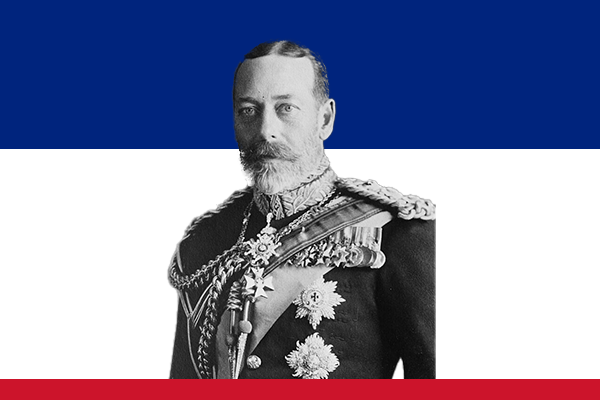
King George V (1910–1936): George V guided Australia through World War I, strengthening national identity and the country’s loyalty to the Empire.
King Edward VIII (1936): Edward VIII held the title briefly before abdicating to marry Wallis Simpson, an event that shocked the Empire.
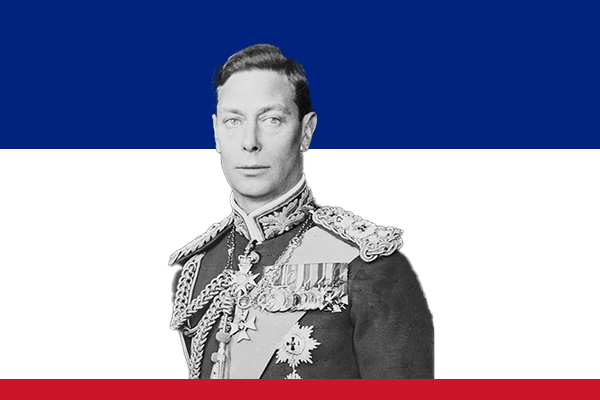
King George VI (1936–1952): George VI reigned during World War II, providing a symbolic figure of unity and resilience for Australians.
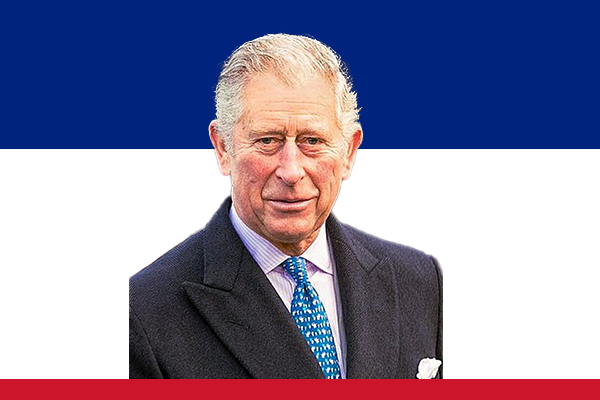
King Charles III (2022–present): Following Queen Elizabeth II’s death, Charles III became the current monarch of Australia, continuing the ceremonial role of the crown in modern governance.
The Modern Monarchy
Today, the King’s role in Australia is largely symbolic, while the Prime Minister and Parliament manage day-to-day affairs. Despite occasional debates about becoming a republic, most Australians respect the monarchy as part of their national heritage. Ceremonial events, royal visits, and the Governor-General’s activities keep the connection alive between the Australian people and their monarch.
Conclusion
Australia’s kings have never ruled in the traditional sense, yet they remain integral to the nation’s identity. From Edward VII to Charles III, the monarchy represents stability, tradition, and constitutional governance, linking Australia’s past with its democratic present.