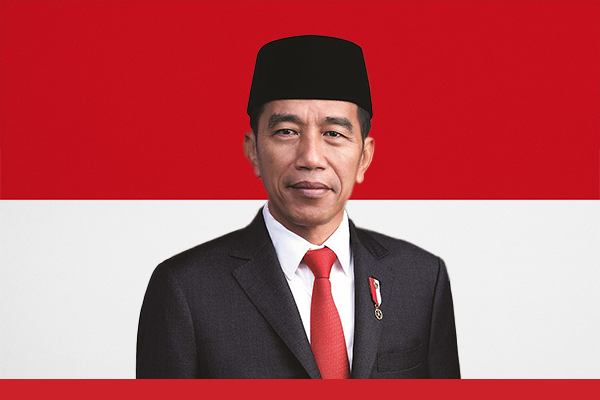
Early Life and Background
Joko Widodo, popularly known as Jokowi, was born on June 21, 1961, in Surakarta, Central Java, Indonesia. He grew up in a modest family and witnessed the challenges of everyday life firsthand. Jokowi studied forestry at Gadjah Mada University in Yogyakarta, where he developed a practical mindset and a strong work ethic. His humble upbringing influenced his approach to governance, emphasizing accessibility and service to the people.
Early Career and Business Experience
Before entering politics, Jokowi ran a successful furniture export business. He built strong connections with international markets, learned to manage operations efficiently, and developed negotiation skills. These experiences helped him understand economic development at a grassroots level. His business background later shaped his pragmatic and results-oriented leadership style in public office.
Entry into Politics
Jokowi entered public service in 2005, when citizens elected him as the Mayor of Surakarta. He earned widespread recognition for his hands-on leadership, improving public services, urban planning, and transparency. Citizens appreciated his approachable style, which included visiting neighborhoods, interacting directly with residents, and addressing their concerns personally.
Governor of Jakarta
In 2012, Jokowi won the election for Governor of Jakarta, Indonesia’s capital. He focused on urban development, public transportation, flood control, and healthcare improvements. He introduced innovative programs, such as the “Jakarta Smart City” initiative and subsidized healthcare for low-income families. His work as governor showcased his ability to deliver tangible results while remaining close to the people.
Presidential Election and Victory in 2014
Jokowi announced his presidential candidacy in 2014, campaigning on a platform of economic reform, infrastructure development, and anti-corruption measures. He won the election decisively, becoming Indonesia’s seventh president and the first leader from outside the country’s political elite. His victory reflected public desire for transparent, effective, and visionary leadership.
National Policies and Reforms
As president, Jokowi prioritized infrastructure development, including highways, airports, ports, and mass-transit systems. He implemented policies to streamline bureaucracy, attract investment, and strengthen Indonesia’s economy. He also expanded healthcare and education programs to improve living standards. His government focused on balancing economic growth with social equity and environmental sustainability.
Focus on Diplomacy and International Relations
Jokowi actively strengthened Indonesia’s position on the global stage. He maintained strong ties with neighboring ASEAN countries, reinforced cooperation with major powers like the United States and China and promoted Indonesia as a leader in climate action. His diplomatic approach emphasized collaboration, mutual respect, and regional stability.
Handling National Challenges
Throughout his presidency, Jokowi addressed significant challenges, including natural disasters, the COVID-19 pandemic, and social inequality. He implemented emergency response measures, economic recovery plans, and vaccination campaigns to protect public health. He also promoted dialogue and community engagement to ensure policies aligned with citizens’ needs.
Re-election and Continued Leadership
Jokowi secured a second term in 2019, confirming public trust in his leadership. He continued infrastructure expansion, digital transformation, and social welfare initiatives. His ongoing efforts to modernize Indonesia aim to create a more resilient economy, sustainable urban development, and inclusive governance.
Legacy and Impact
Joko Widodo’s leadership transformed Indonesia by emphasizing infrastructure, economic modernization, and responsive governance. He broke traditional political barriers, promoted transparency, and inspired a new generation of leaders. Through his vision and determination, Jokowi positioned Indonesia as a dynamic, progressive nation in the global arena.