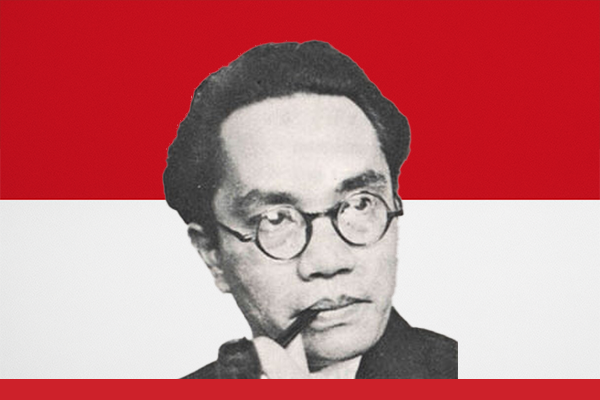
Early Life and Education
Amir Sjarifuddin Harahap was born in Medan, North Sumatra, on April 27, 1907. He came from a Batak noble family that valued education and civic responsibility. His parents encouraged him to study diligently and understand the importance of social justice. Amir studied law at Leiden University in the Netherlands, where he encountered Western ideas of democracy and socialism. These experiences shaped his political philosophy and inspired his lifelong commitment to Indonesian independence.
Political Awakening and Early Activism
During his years in the Netherlands, Amir actively participated in student organizations that supported Indonesia’s liberation from Dutch colonial rule. He debated passionately about freedom and equality and began writing articles that criticized colonial policies. After returning to Indonesia, he joined nationalist movements and helped organize youth and labor groups. His intellectual energy and commitment to the people made him a respected figure among Indonesia’s emerging political leaders.
Resistance Against Colonial Rule
When Japan occupied Indonesia during World War II, Amir initially joined resistance movements against the occupiers. However, the Japanese authorities imprisoned him for his opposition. Despite his imprisonment, he remained a symbol of courage and integrity among fellow nationalists. After his release, he continued to support independence efforts, believing that the struggle for freedom required both military resistance and political unity.
Role in the Indonesian Independence Movement
After Indonesia proclaimed independence in 1945, Amir played a central role in shaping the new government. President Sukarno appointed him as Minister of Information in the early cabinet. In that position, Amir used newspapers and radio broadcasts to rally the people and explain the goals of the new republic. He believed that communication and education were essential for uniting a diverse population under one national identity.
Becoming Prime Minister
In July 1947, Amir Sjarifuddin became Indonesia’s Prime Minister during a difficult period marked by external threats and internal divisions. He took office shortly after the Dutch launched military aggression to reclaim control over Indonesia. Amir worked tirelessly to negotiate peace while defending the nation’s sovereignty. He represented Indonesia in international discussions and sought support from other countries for the young republic’s independence.
Leadership and Policies
As Prime Minister, Amir focused on strengthening the government’s administrative structure and maintaining unity among political factions. He encouraged cooperation between military leaders and civilian politicians to stabilize the country. He also emphasized social justice, land reform, and education for the poor. His socialist ideas inspired many Indonesians who sought equality after centuries of colonial exploitation. However, his policies also faced opposition from conservative and nationalist groups who disagreed with his left-leaning views.
Political Challenges and Resignation
Amir faced increasing political pressure as divisions deepened within the government. His handling of the Renville Agreement, which temporarily halted fighting with the Dutch but required territorial concessions, led to criticism. Many nationalist leaders saw the agreement as a betrayal of Indonesia’s sovereignty. In January 1948, Amir resigned as Prime Minister after losing political support. Despite this setback, he continued to fight for his ideals and organized leftist movements to defend Indonesia’s independence and social justice.
The Madiun Affair and Execution
Later in 1948, during the Madiun Affair, Amir was accused of participating in a communist-led rebellion against the government. Government forces captured and executed him on December 19, 1948. His death marked one of the most tragic moments in Indonesia’s early history. Many historians continue to debate the political motivations behind his execution, but his courage and dedication remain undeniable.
Legacy and Historical Impact
Amir Sjarifuddin Harahap left behind a powerful legacy as a nationalist, intellectual, and advocate for equality. He devoted his life to Indonesia’s independence and the welfare of its people. Although his career ended in tragedy, his contributions to political thought and national unity helped shape Indonesia’s early development. Today, Indonesians remember him as a complex but heroic figure who stood firm for justice, democracy, and human dignity.