Early Life and Education
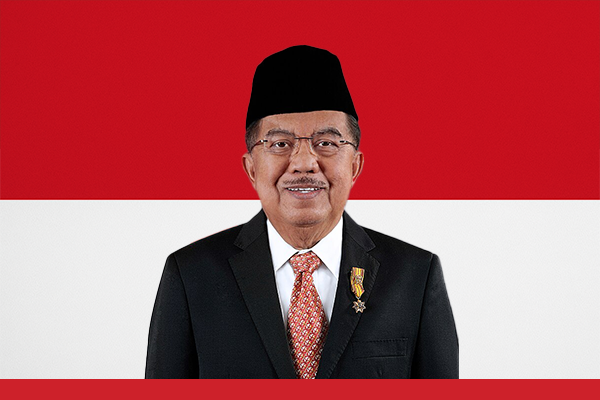
Jusuf Kalla was born on May 15, 1942, in Watampone, South Sulawesi, Indonesia. He grew up in a family that valued education and community service. Kalla pursued higher education at Hasanuddin University, where he studied economics. His academic background laid the foundation for his future career in business and politics.
Business Career
Before entering politics, Kalla built a successful career in business. He managed several family-owned companies and later expanded into the national and international business arena. His experience in management and finance gave him insights into Indonesia’s economic challenges. Kalla earned recognition as a visionary entrepreneur, which later bolstered his credibility in political leadership.
Entry into Politics
Kalla entered politics through the Golkar Party, Indonesia’s dominant political force during the New Order era. He gained influence within the party and later took on key governmental roles. His political career focused on economic development, regional cooperation, and national unity. Kalla’s ability to negotiate and build consensus distinguished him from many contemporaries.
Ministerial Positions
Jusuf Kalla served as Indonesia’s Minister of Trade and Industry in the 1990s. In this role, he implemented policies to liberalize trade, encourage foreign investment, and strengthen domestic industries. He emphasized modernization and competitiveness, aiming to integrate Indonesia more deeply into the global economy. Kalla’s reforms often faced resistance, but he persisted in promoting long-term economic growth.
First Term as Vice-President (2004–2009)
In 2004, Kalla won the vice-presidency alongside President Susilo Bambang Yudhoyono. During his first term, he focused on economic recovery, decentralization, and national reconciliation. He mediated conflicts in regions affected by sectarian violence, such as Aceh, and helped negotiate the peace agreement that ended decades of separatist conflict. Kalla also promoted social programs targeting poverty reduction and infrastructure development.
Leadership in Conflict Resolution
Kalla earned a reputation as a skilled negotiator and mediator. He played a key role in brokering peace agreements between conflicting parties in Aceh and Poso. His diplomatic skills earned him both domestic and international recognition. By engaging local leaders and listening to community concerns, Kalla demonstrated a pragmatic and inclusive approach to governance.
Second Term as Vice-President (2014–2019)
After a five-year hiatus, Kalla returned as vice-president under President Joko Widodo. He focused on accelerating economic development, improving infrastructure, and enhancing Indonesia’s global trade relations. Kalla championed programs to expand access to education, healthcare, and technology, particularly in rural areas. His experience and strategic vision helped support the president’s ambitious development agenda.
Contributions to Indonesian Politics
Throughout his political career, Jusuf Kalla influenced Indonesia’s economic policies and democratic development. He consistently advocated for transparency, efficiency, and inclusive growth. His ability to navigate complex political landscapes and foster cooperation among diverse groups strengthened Indonesia’s governance.
Legacy and Impact
Jusuf Kalla leaves a legacy as one of Indonesia’s most experienced and pragmatic leaders. He combined business acumen with political savvy to drive economic reforms, mediate conflicts, and strengthen national unity. His leadership style emphasized dialogue, consensus-building, and practical solutions to national challenges. Kalla remains an influential figure in Indonesian public life, inspiring future generations of leaders.