Early Life and Education
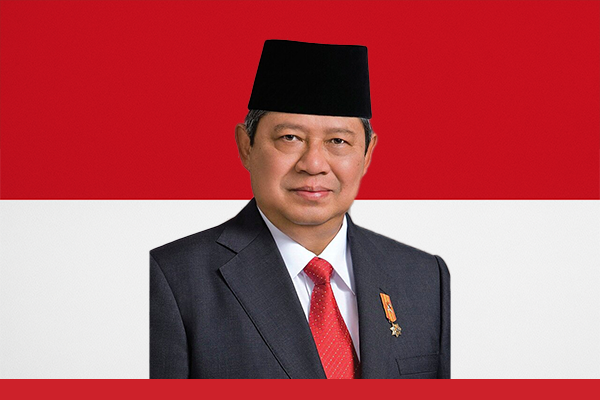
Susilo Bambang Yudhoyono, often referred to as SBY, was born on September 9, 1949, in Pacitan, East Java, Indonesia. His parents instilled in him strong values of discipline and education. Yudhoyono pursued military studies at the Indonesian Military Academy and graduated in 1973. He later earned a master’s degree in political science from the University of Indonesia, preparing him for a career in both the military and politics.
Military Career
Yudhoyono started his career in the Indonesian Army, where he quickly rose through the ranks due to his strategic thinking and leadership skills. He commanded several key units and developed expertise in operational planning and defense strategy. His service earned him national recognition and paved the way for his transition into politics.
Entry into Politics
In the late 1990s, Yudhoyono entered politics during Indonesia’s reform era following the fall of President Suharto. He served as a minister in President Abdurrahman Wahid’s administration and later under President Megawati Sukarnoputri. During this time, he focused on policies related to security, governance, and anti-corruption efforts, demonstrating his commitment to modernizing Indonesia’s political landscape.
Rise to the Presidency
In 2004, Yudhoyono announced his candidacy for president and campaigned on a platform of democratic reform, economic stability, and anti-corruption initiatives. He gained widespread support from both urban and rural voters. In October 2004, he won the presidential election, becoming Indonesia’s sixth president and the first directly elected by the people.
Domestic Policies and Reforms
As president, Yudhoyono implemented major economic and political reforms. He focused on improving infrastructure, modernizing the military, and strengthening the financial sector. He also promoted transparency and accountability in government, launching programs to combat corruption at multiple levels. His policies encouraged investment, job creation, and poverty reduction, contributing to Indonesia’s economic growth during his tenure.
Strengthening Democracy
Yudhoyono played a vital role in consolidating Indonesia’s democratic institutions. He supported decentralization, giving more power to local governments, and encouraged civil society participation in policymaking. He strengthened the judiciary and electoral systems, ensuring free and fair elections. His leadership helped stabilize the country politically while maintaining harmony among Indonesia’s diverse communities.
Foreign Policy and Global Leadership
On the international stage, Yudhoyono positioned Indonesia as a proactive and respected global player. He engaged in regional cooperation through ASEAN and represented Indonesia in global forums such as the United Nations and the G20. He advocated for peace, economic collaboration, and environmental sustainability, enhancing Indonesia’s reputation as a responsible global citizen.
Leadership During Crises
Yudhoyono led Indonesia through multiple natural disasters, including the 2004 tsunami and other earthquakes and floods. He coordinated disaster response, mobilized resources, and worked with international partners to provide relief. His decisive and compassionate actions during crises strengthened public trust in his leadership.
Re-election and Legacy
In 2009, Yudhoyono secured a second term, reaffirming public confidence in his leadership. He continued reforms in governance, education, and healthcare, leaving a legacy of political stability and economic progress. Yudhoyono also mentored a new generation of Indonesian leaders, ensuring continuity in democratic governance.
Conclusion
Susilo Bambang Yudhoyono’s presidency marked a period of modernization, reform, and international engagement for Indonesia. Through his dedication to democracy, economic development, and global cooperation, he elevated Indonesia’s stature on both domestic and international fronts. His legacy endures as a model of principled leadership in Southeast Asia.