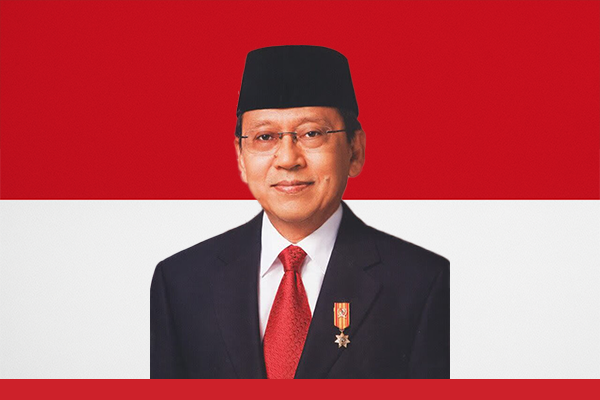
Early Life and Education
Boediono was born on February 25, 1943, in Blitar, East Java, Indonesia. His parents encouraged him to pursue education diligently. He earned his undergraduate degree in economics from the University of Gadjah Mada. Later, he studied abroad, earning a Master’s and PhD in economics from the University of Western Australia. These academic achievements laid the foundation for his influential career in economics and public service.
Career in Economics and Academia
Boediono started his career as an academic, teaching economics at Gadjah Mada University and other institutions. He focused on monetary policy, development economics, and financial systems. His research gained recognition, and he published widely on Indonesia’s economic challenges and policy solutions. He also served as a visiting scholar at international institutions, which helped him build a global perspective on economic development.
Roles in Government
Boediono entered government service as an advisor in Indonesia’s Ministry of Finance. He provided critical guidance on monetary policies, fiscal reforms, and economic stabilization. Over time, his expertise led to key appointments, including Governor of Bank Indonesia in 2003. As Governor, he maintained financial stability, strengthened the banking system, and helped Indonesia recover from economic fluctuations.
Minister of Finance
In 2001, Boediono became Indonesia’s Minister of Finance. He implemented reforms to modernize tax systems, improve public finance management, and promote fiscal discipline. He actively collaborated with international financial institutions to ensure Indonesia remained attractive to investors. His pragmatic approach and deep economic knowledge earned him respect from both domestic and global financial communities.
Deputy Prime Roles and Central Bank Leadership
Boediono also served in several high-level economic positions, including Coordinating Minister for Economic Affairs. In these roles, he coordinated policies across ministries, emphasizing sustainable growth, poverty reduction, and macroeconomic stability. He guided Indonesia through global economic challenges, ensuring policies balanced growth with social welfare.
Vice Presidency (2009–2014)
President Susilo Bambang Yudhoyono selected Boediono as his running mate for the 2009 presidential election. Boediono actively campaigned, highlighting his expertise in economics and governance. After their victory, he assumed the office of Vice President. In this role, he advised the president on economic matters, represented Indonesia in international forums, and promoted policies to strengthen education, economic competitiveness, and social development.
Key Achievements as Vice President
During his tenure, Boediono focused on macroeconomic stability, poverty alleviation, and financial sector reforms. He initiated programs to improve Indonesia’s investment climate and supported regional development initiatives. He also strengthened Indonesia’s role in ASEAN and global economic discussions. His calm, analytical approach helped resolve policy disputes and guided decision-making at the highest levels of government.
Legacy and Influence
Boediono left a lasting legacy as a technocrat committed to economic reform and good governance. He demonstrated that expertise, integrity, and pragmatic leadership can drive national development. He inspired a generation of Indonesian economists and policymakers, emphasizing research-driven decision-making and international collaboration.
Life After Politics
After completing his term in 2014, Boediono continued to contribute to economic research and public policy. He wrote extensively on fiscal policy, central banking, and development strategies. Universities and international organizations regularly invited him to share his insights, solidifying his reputation as one of Indonesia’s most respected economic thinkers.