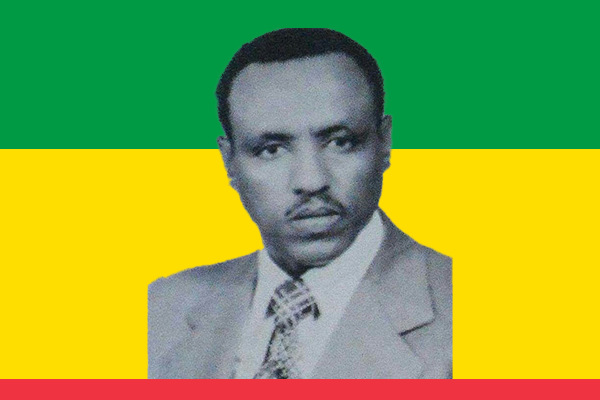
Early Life and Military Background
Tesfaye Gebre Kidan was born in Ethiopia during a time of political instability and rapid change. He grew up in an environment that valued discipline, service, and national pride. Motivated by these ideals, he joined the Ethiopian military, where he demonstrated strong leadership and commitment. His strategic thinking and ability to manage complex operations helped him rise through the ranks.
Tesfaye trained as a military officer and developed expertise in defense and administrative coordination. He earned the respect of his peers for his organizational skills and loyalty to the government. His reputation as a disciplined and reliable officer opened the door to political appointments in later years.
Entry into Political Leadership
Tesfaye transitioned from military service to political leadership under the regime of Mengistu Haile Mariam. He took on important administrative roles and became a trusted figure within the ruling Derg government. His experience in managing military and civil affairs gave him the capacity to handle national governance during difficult periods.
As Vice President, Tesfaye focused on maintaining national order, implementing government directives, and ensuring the stability of state institutions. He worked to preserve the government’s control during internal conflicts and regional tensions. Despite the growing unrest, he stayed loyal to the national leadership and continued to serve with determination.
Acting Presidency in 1991
In 1991, Ethiopia faced one of the most challenging moments in its modern history. As rebel forces advanced toward Addis Ababa and the Derg regime began to collapse, President Mengistu Haile Mariam fled the country. In this critical moment, Tesfaye Gebre Kidan assumed the role of Acting President of Ethiopia.
He took on the responsibility of managing the country’s affairs during a volatile transition. Tesfaye attempted to negotiate peace and maintain order as rebel groups from the Ethiopian People’s Revolutionary Democratic Front (EPRDF) closed in on the capital. His leadership during those days reflected his sense of duty and commitment to Ethiopia’s unity.
Challenges During His Short Tenure
Tesfaye’s time as Acting President was brief and marked by extreme tension. With the fall of the Derg imminent, he struggled to prevent chaos and ensure a peaceful power transfer. He worked with remaining government officials to protect civilians and government property. Despite his efforts, the advancing forces overpowered his administration, and the Derg’s rule came to an end.
Tesfaye’s leadership during this transitional phase revealed his resilience under pressure. He made decisions aimed at avoiding further bloodshed and preserving some degree of order during Ethiopia’s political shift. Although his government could not withstand the rapid change, his attempts to manage the situation demonstrated a commitment to national responsibility.
Later Life and Legacy
After the fall of the Derg, Tesfaye Gebre Kidan remained in a complex political environment. Reports indicate that he stayed in the Italian Embassy in Addis Ababa for several years, seeking refuge amid the new government’s restructuring of power. His situation reflected the broader uncertainty faced by former officials of the previous regime.
Tesfaye’s later years were marked by isolation, but his role in Ethiopia’s history remained significant. As Vice President and Acting President, he stood at the crossroads of a nation’s transformation. He symbolized the final link between the Derg’s authoritarian past and Ethiopia’s transition toward a new political era.
Historical Significance
Historians view Tesfaye Gebre Kidan as a figure of duty, loyalty, and perseverance. His career reflected the complexities of leadership during times of revolution and reform. While his political legacy remains debated, his brief presidency showcased his willingness to serve his nation until the very end.
Tesfaye’s story reminds Ethiopians of the human dimension behind political transitions. He acted with courage during one of Ethiopia’s darkest and most uncertain moments, leaving behind a legacy of commitment and resilience in service to his country.