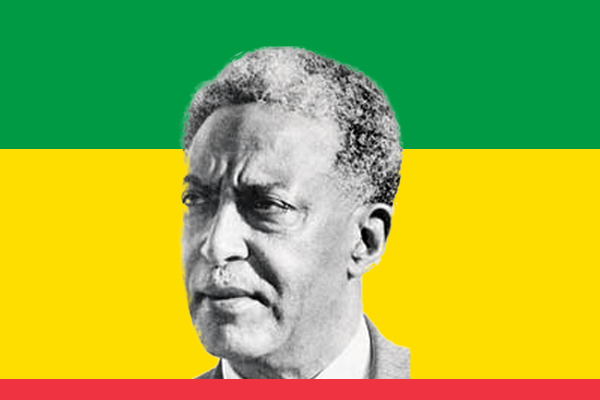
Mr. Endelkachew Makonnen
In Office: 1 March 1974 – 22 July 1974
Political Party: Independent
Home State: Addis Ababa
Lifespan: 1927–1974
Country: Ethiopia
Image credits available here.
Early Life and Education
Endelkachew Makonnen was born in 1927 into an influential Ethiopian aristocratic family closely connected to Emperor Haile Selassie. His father, Makonnen Endelkachew, also served as Prime Minister, which exposed him early to the world of governance and diplomacy. He received his education in Ethiopia and abroad, gaining a broad understanding of international politics and modern administrative systems. His academic and diplomatic training prepared him for leadership in one of Africa’s most historic nations.
Early Career and Rise to Power
Endelkachew began his career in public administration, where he displayed intelligence, diplomacy, and dedication. He represented Ethiopia in international forums and contributed to its foreign relations during a period of global change. His ability to communicate effectively and handle sensitive negotiations earned him the respect of political leaders. Over time, his experience in governance and diplomacy made him one of the most trusted figures within the imperial court.
Appointment as Prime Minister
In February 1974, Emperor Haile Selassie appointed Endelkachew Makonnen as Prime Minister of Ethiopia. At that time, Ethiopia faced widespread unrest due to economic hardship, political dissatisfaction, and social inequality. Endelkachew accepted the role knowing the nation demanded urgent reforms. His appointment came at a time when Ethiopia was struggling with both internal dissent and a demand for modernization from the younger generation.
Reform Efforts and Political Challenges
As Prime Minister, Endelkachew Makonnen sought to modernize the Ethiopian political system. He introduced proposals to reform land ownership, improve education, and strengthen local governance. He encouraged dialogue with students, labor groups, and the military, who were calling for greater representation and transparency.
Endelkachew also promoted the idea of constitutional monarchy, believing that Ethiopia could maintain its royal heritage while embracing democratic principles. However, his reform plans faced resistance from conservative aristocrats who feared losing power, and from radical groups who wanted faster, more revolutionary change. Despite his sincere efforts, political tensions continued to rise across the country.
The Derg’s Rise and Endelkachew’s Downfall
During 1974, a group of military officers known as the Derg began to gain influence. They exploited growing unrest and dissatisfaction with the government. Endelkachew tried to negotiate with them and maintain stability through peaceful means. He sought to calm public anger and convince the military to support gradual reform rather than revolution.
However, the Derg expanded its control rapidly and began detaining key government officials. In July 1974, they placed Endelkachew under house arrest. By September of that year, Emperor Haile Selassie was deposed, marking the end of Ethiopia’s imperial era.
Imprisonment and Death
The Derg imprisoned Endelkachew Makonnen along with several members of the imperial government. Despite his attempts to reason with the military rulers, they viewed him as a symbol of the old order. Tragically, in November 1974, he was executed without trial along with many other officials. His death shocked the nation and marked the violent beginning of Ethiopia’s revolutionary period.
Legacy and Historical Significance
Endelkachew Makonnen’s leadership represented a bridge between Ethiopia’s imperial past and its modern aspirations. He understood the importance of reform and sought to guide his country peacefully toward modernization. Though his tenure was brief, his vision reflected moderation, intellect, and patriotism.
Historians remember him as a leader who tried to reform an ancient monarchy from within rather than destroy it. His tragic fate highlighted the dangers of political extremism and the fragility of compromise during times of upheaval. Today, his legacy endures as a reminder of the need for balanced leadership and constructive reform in times of change.