PRESIDENTS OF ETHIOPIA
Introduction
Ethiopia, one of Africa’s oldest nations, has a rich political history shaped by both emperors and presidents. After the fall of the monarchy in 1974, Ethiopia transitioned to a republic, introducing a presidential system. The President serves as the head of state and symbolizes national unity, while the Prime Minister holds executive powers. Over the years, Ethiopia’s presidents have played crucial roles in maintaining stability and guiding the nation through political transformations.
LIST OF PRESIDENTS OF ETHIOPIA


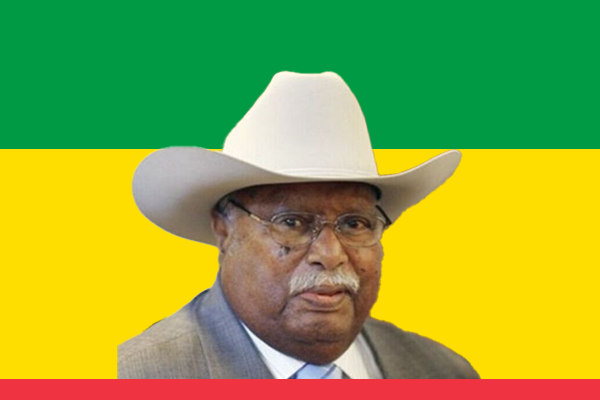
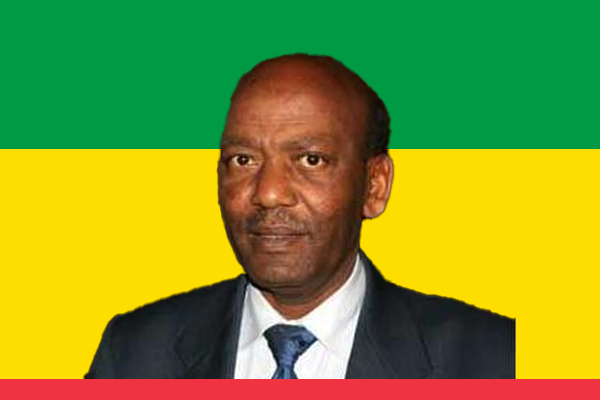
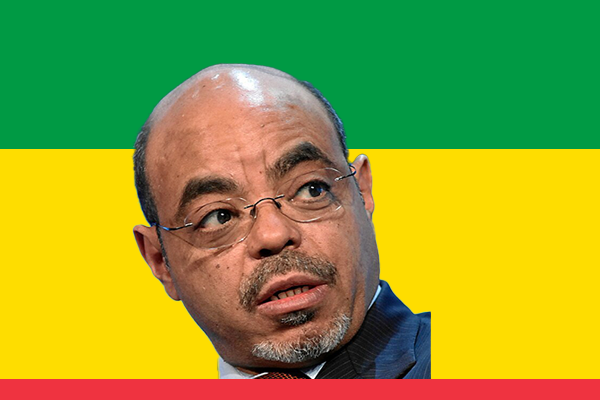

Presidents of Ethiopia
Mengistu Haile Mariam (1987–1991)
Mengistu Haile Mariam became the first President of the People’s Democratic Republic of Ethiopia in 1987. A former military leader, he had already been in power since the overthrow of Emperor Haile Selassie in 1974. Mengistu implemented socialist policies inspired by Marxism-Leninism and established a one-party state. His regime was marked by the “Red Terror” campaign against opposition forces and large-scale nationalization programs. His government collapsed in 1991, ending the Derg’s rule.
Meles Zenawi (Acting President, 1991–1995)
After the fall of the Derg, Meles Zenawi served as acting President of the Transitional Government of Ethiopia. He led the Ethiopian People’s Revolutionary Democratic Front (EPRDF) and initiated political reforms aimed at ethnic federalism and reconstruction. His interim leadership paved the way for the adoption of a new constitution and the creation of the Federal Democratic Republic of Ethiopia in 1995.
Negasso Gidada (1995–2001)
Negasso Gidada became the first President under the new federal constitution. As a respected scholar and politician, he worked to promote unity among Ethiopia’s diverse ethnic groups. His presidency was largely ceremonial, but he played an active role in representing Ethiopia abroad and fostering dialogue among communities. Negasso later became an advocate for democratic rights after leaving office.
Girma Wolde-Giorgis (2001–2013)
Girma Wolde-Giorgis was elected President in 2001 and re-elected in 2007. Known for his calm and diplomatic nature, Girma focused on environmental protection, peacebuilding, and humanitarian causes. Despite limited executive powers, he used his influence to encourage national reconciliation and sustainable development initiatives. His presidency symbolized stability and respect for traditional values.
Mulatu Teshome (2013–2018)
Mulatu Teshome, a seasoned diplomat, emphasized foreign relations and economic growth during his tenure. He worked closely with the government to attract investment and strengthen Ethiopia’s global partnerships. His presidency coincided with significant infrastructure expansion and regional leadership in Africa.
Sahle-Work Zewde (2018–Present)
Sahle-Work Zewde made history as Ethiopia’s first female President. With a distinguished diplomatic career, she advocates for gender equality, education, and peace. Her leadership represents a modern, inclusive Ethiopia that embraces reform and diversity. As a unifying national figure, she continues to inspire progress and dialogue across the country.
Conclusion
The Presidents of Ethiopia have played important roles in the nation’s journey from a monarchy to a federal democracy. Each leader contributed uniquely to Ethiopia’s political, social, and diplomatic evolution, shaping its identity as a resilient and forward-looking nation.