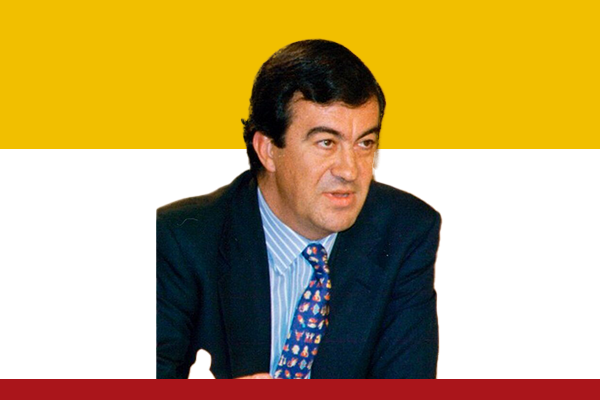
Early Life and Political Beginnings
Francisco Álvarez-Cascos Fernández was born on October 1, 1947, in Madrid, Spain. He grew up with strong interests in economics and public administration. After completing his studies in civil engineering, Álvarez-Cascos entered the political arena with determination. He joined Spain’s People’s Alliance, which later evolved into the People’s Party (Partido Popular, PP). His analytical mind and commitment to progress helped him quickly gain recognition within the organization.
From his early days, Álvarez-Cascos actively engaged in political debates and policy formation. He participated in shaping the party’s economic agenda and contributed to modernization initiatives that aimed to strengthen Spain’s democratic institutions. His early involvement established him as one of the most strategic and energetic figures in the conservative movement.
Rise to Prominence in the People’s Party
Throughout the 1980s and 1990s, Álvarez-Cascos advanced within the ranks of the People’s Party. He earned the trust of party leaders and worked tirelessly to enhance the PP’s influence across Spain. As a member of parliament, he took active roles in legislative committees, focusing on economic development, infrastructure, and public investment.
His dedication and results-oriented approach impressed Prime Minister José María Aznar, who recognized his abilities and appointed him to senior positions in the government. Álvarez-Cascos became a central figure in coordinating the government’s strategies and ensuring that the administration delivered on its promises.
Tenure as Deputy Prime Minister
In 1996, Francisco Álvarez-Cascos was appointed Deputy Prime Minister of Spain, serving alongside Prime Minister Aznar. In this role, he took charge of coordinating government policies, overseeing economic affairs, and ensuring smooth communication between ministries. He managed major infrastructure and transport projects that helped modernize Spain’s economy.
Álvarez-Cascos promoted efficiency, accountability, and innovation within public institutions. He frequently interacted with business leaders and regional governments to accelerate national growth. His direct and pragmatic leadership style encouraged collaboration and quick decision-making. Under his supervision, Spain improved its international competitiveness and achieved steady economic expansion.
He also played a key role in Spain’s efforts to integrate more deeply into the European Union. He championed reforms that strengthened fiscal discipline and enhanced the country’s role in European policymaking. His vision of a modern, united Spain guided several initiatives that aligned national policies with broader European goals.
Minister of Public Works and Infrastructure
After his term as Deputy Prime Minister, Álvarez-Cascos continued to serve as Minister of Public Works and Infrastructure (Ministerio de Fomento). In this position, he directed massive investments in transportation networks, highways, and rail systems. He supervised projects that improved connectivity between Spanish regions and facilitated international trade.
His leadership transformed the ministry into a model of efficiency. He emphasized transparency and quality in public works and ensured that projects met both economic and environmental standards. Through his initiatives, Spain strengthened its infrastructure and boosted its long-term development potential.
Later Political Career and Legacy
In the early 2000s, Álvarez-Cascos remained a prominent figure in Spanish politics. He founded the Asturias Forum (Foro Asturias), a regional political party aimed at defending local interests and promoting balanced economic growth. His independent spirit and political experience helped him maintain influence in national and regional politics.
Álvarez-Cascos is remembered as a determined leader who combined technical expertise with political skill. His tenure as Deputy Prime Minister marked a period of administrative modernization and economic reform. He actively shaped Spain’s infrastructure policies and strengthened its position within Europe.
Through his energetic and disciplined approach, Francisco Álvarez-Cascos left a lasting impact on Spanish governance. His work continues to inspire leaders who value commitment, efficiency, and progress in public service.