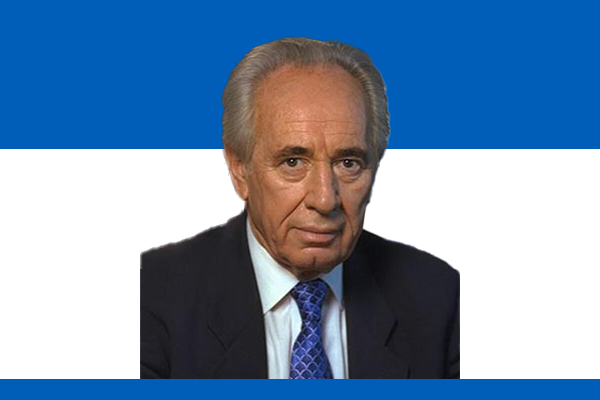
Early Life and Education
Shimon Peres was born on August 2, 1923, in Wiszniew, then part of Poland. He grew up in a Jewish family that valued learning and cultural identity. In 1934, he immigrated to British Mandate Palestine with his family. Peres studied at the Ben Shemen Youth Village and later pursued higher studies in the United States, where he attended courses at Harvard and New York University. These academic experiences broadened his worldview and strengthened his interest in politics, diplomacy, and defense.
Early Political Involvement
Peres entered politics at a young age. He joined the Haganah, the pre-state Jewish defense organization, and focused on strengthening Israel’s security capabilities. During Israel’s War of Independence, he helped secure crucial arms deals that supported the formation of the Israel Defense Forces. His strategic thinking and determination allowed him to rise quickly within Israel’s political system. Leaders recognized his talent, and he soon earned key positions in defense and administrative planning.
Building Israel’s Defense and Technology Sectors
In the 1950s, Peres played a central role in developing Israel’s defense infrastructure. As Director-General of the Ministry of Defense, he led efforts to build partnerships with other countries and strengthen Israel’s military capabilities. He encouraged technological innovation and laid the foundation for Israel’s advanced defense industries. His work established the strategic alliances and industrial base that continue to support Israel’s security today.
Ministerial Roles and Political Leadership
Peres entered the Knesset in 1959 and began a parliamentary career that lasted nearly five decades. He served in numerous ministerial roles, including Minister of Defense, Minister of Foreign Affairs, and Minister of Finance. In each position, he championed modernization, economic development, and international cooperation. He pushed Israel toward technological progress and encouraged partnerships with global powers. His leadership style emphasized dialogue, strategic planning, and long-term thinking.
Champion of Peace and Diplomacy
One of Peres’s most significant contributions came through his work on the peace process. As Foreign Minister in the early 1990s, he played a major role in negotiating the Oslo Accords with Palestinian leaders. He believed strongly in peaceful coexistence and committed his political influence to supporting dialogue. In 1994, he received the Nobel Peace Prize along with Yitzhak Rabin and Yasser Arafat. Peres continued to advocate for peace throughout his career, even when political tensions rose. He argued that diplomacy and cooperation offered the best future for both Israelis and Palestinians.
Presidency of Israel
In 2007, Shimon Peres became the ninth President of Israel. As president, he focused on unity, national identity, and innovation. Although the presidency in Israel is largely ceremonial, Peres used the position to inspire citizens and strengthen Israel’s global image. He promoted technological advancement through initiatives such as the President’s Conference, which brought world leaders, thinkers, and innovators together. He encouraged young people to engage in science, entrepreneurship, and global collaboration. His presidency emphasized hope, progress, and forward-thinking leadership.
Influence on Global Affairs
Peres maintained strong relationships with international leaders and represented Israel on the global stage with dignity and vision. He engaged in discussions on security, peace, climate change, and technological development. His speeches and diplomatic efforts helped shape global perceptions of Israel as a country committed to innovation and cooperation. He inspired leaders around the world through his message of optimism and his belief that humanity could solve its greatest challenges through creativity and determination.
Legacy and Impact
Shimon Peres passed away on September 28, 2016, but his legacy continues to influence Israel and international diplomacy. He left behind a record of service that spanned defense, governance, and peace efforts. He shaped Israel’s security framework, advanced its technological capabilities, and guided its political development. More importantly, he inspired generations to believe in dialogue, innovation, and a better future. His life stands as a testament to commitment, vision, and the enduring power of hope.