Early Life and Intellectual Foundations
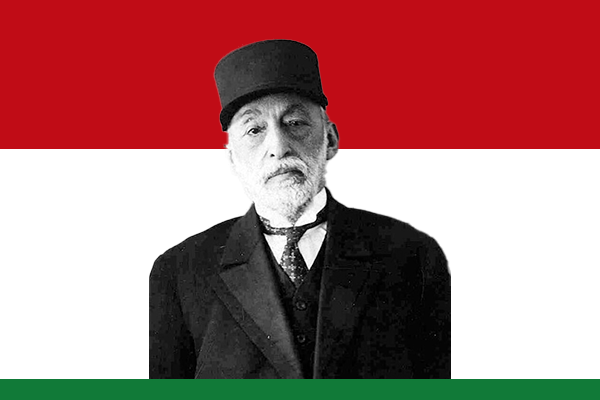
Mehdi Qoli Hedayat, known as Mokhber-os-Saltaneh, entered the world in 1864 in Tehran, and he grew up in a family that valued education, public service, and cultural refinement. He embraced these values early, and he pursued his studies with dedication. He learned multiple languages, absorbed scientific knowledge, and developed a strong interest in literature and statecraft. His intellectual upbringing shaped his administrative approach, and he carried these influences into his political life.
Entry Into Government Service
Hedayat began his career in public service by holding various government posts during the late Qajar era. He accepted responsibilities in administration, provincial governance, and diplomatic assignments, and he quickly gained a reputation as a capable and disciplined official. His talent for organization, his calm demeanor, and his loyalty to the state earned him the trust of Iran’s leading political figures. As constitutionalism gained strength, Hedayat supported modernization efforts and advocated for structured governance.
Rise to National Leadership
As Reza Shah consolidated power and built a centralized state, Hedayat played an important role in shaping the administrative framework of modern Iran. His experience, reliability, and practical thinking made him a natural candidate for higher office. In 1927, the government appointed him Prime Minister, and he entered national leadership at a critical moment in Iran’s political transformation.
Administrative Reforms and Governance
As Prime Minister, Mehdi Qoli Hedayat focused on strengthening the bureaucracy, improving state efficiency, and enforcing governmental discipline. He believed that Iran needed a modern administrative foundation, and he dedicated his efforts to achieving this goal. He reorganized ministries, improved record-keeping, and promoted merit-based appointments. His leadership style emphasized order, accountability, and methodical planning.
He also supported Reza Shah’s modernizing agenda, which included infrastructure development, educational reform, and increased central authority. Hedayat worked to implement these programs effectively. Under his guidance, the government expanded roads, improved communication networks, and encouraged technical education. He also contributed to legal and financial reforms that aimed to create a stable environment for modernization.
Balancing Tradition and Modernity
Hedayat navigated a challenging political environment. While he supported modernization, he also understood Iran’s historical and cultural identity. He tried to balance progress with tradition, and he maintained respect for Iran’s long-standing institutions. His ability to mediate between different political forces allowed him to preserve stability during a time of transformation.
Relationship With Reza Shah
Mehdi Qoli Hedayat maintained a cooperative and respectful relationship with Reza Shah. He valued order and centralization, and he aligned himself with the Shah’s vision for a strong, modern state. However, he also possessed an independent intellectual spirit and occasionally voiced concerns about excessive pressure or rapid policy changes. Despite these differences, he continued to perform his duties with loyalty and integrity.
Later Years and Memoirs
After leaving office in 1933, Hedayat retired from active political life, but he continued to write and reflect on Iran’s historical journey. His memoirs, titled Khaterat va Khatarat, offer valuable insights into Iran’s political environment, the challenges of modernization, and the personalities who shaped the country’s early 20th-century history. Through his writing, he preserved an important record of Iran’s transition from the Qajar dynasty to the Pahlavi state.
Legacy
Mehdi Qoli Hedayat left a lasting mark on Iranian governance. He strengthened the administrative backbone of the state, supported national modernization, and upheld principles of discipline and efficiency. Historians regard him as one of the most thoughtful and capable prime ministers of the early Pahlavi era. His contributions to state organization and his detailed memoirs ensure his enduring legacy in Iranian political history.