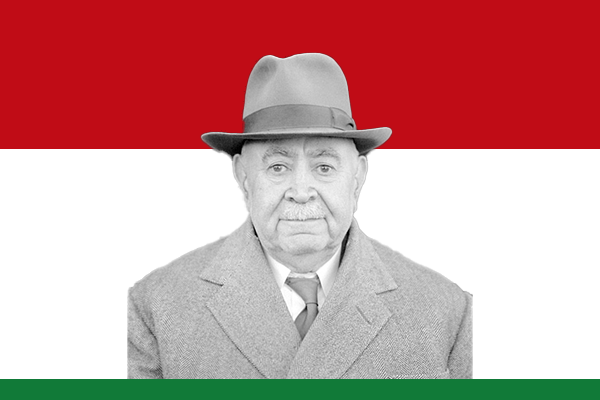
Early Life and Rise to Leadership
Mahmoud Djam, born in 1880, grew up in an era when Iran struggled with political instability, foreign influence, and internal divisions. He entered government service early and built a reputation as an efficient administrator. His dedication to public service helped him rise through the ranks, and he eventually gained the trust of the Pahlavi leadership. By the time he reached national prominence, he had already shown strong abilities in governance and problem-solving.
Assuming the Role of Prime Minister
When Reza Shah appointed Mahmoud Djam as Prime Minister in 1935, he stepped into a political landscape undergoing rapid transformation. Instead of relying on tradition, he embraced modernization. He supported the Shah’s broader agenda and acted as a key figure in executing national reforms. He handled state responsibilities with discipline, and he actively strengthened the administrative structure of the government. His leadership style combined firmness with methodical planning, which helped him manage state affairs effectively.
Administrative and Political Reforms
Djam played a major role in implementing reforms that modernized Iran’s political and administrative systems. He reorganized government institutions, improved bureaucratic efficiency, and introduced measures that increased state control over various regions. He promoted centralized governance, and he encouraged officials to adopt clearer reporting systems.
He also strengthened national infrastructure. Under his leadership, the government invested in building roads, communication lines, and public facilities. He viewed modernization not as an optional improvement but as a necessity for Iran’s long-term progress. He pushed ministries to improve performance, and he ensured that reforms aligned with national goals.
Impact on Society and Public Life
Mahmoud Djam supported the cultural and social reforms championed by the Pahlavi government. He encouraged policies that promoted education, expanded secular institutions, and reduced the influence of traditional power structures. He believed an educated population could help Iran compete internationally, and he supported efforts to modernize curricula and increase school enrollment.
He also backed reforms affecting dress codes, public behavior, and gender roles. These changes transformed urban society, and even though they faced resistance in some areas, he continued to defend them as steps toward national advancement. He guided the government in communicating these reforms to the public and encouraged citizens to participate in building a modern Iranian identity.
Diplomacy and Foreign Policy
In foreign affairs, Djam followed a balanced approach. He maintained diplomatic relations with major global powers while protecting Iran’s sovereignty. He navigated tensions carefully, ensuring that no single foreign influence dominated Iranian politics. His government developed trade links, strengthened diplomatic missions, and improved Iran’s international image.
He understood that Iran stood at a strategic crossroads, and he acted to safeguard national interests. His diplomatic strategies helped Iran maintain stability during a period of global political uncertainty.
Later Career and Legacy
After completing his tenure as Prime Minister in 1939, Mahmoud Djam continued serving Iran in various high-level positions. His experience and administrative skills benefited several governments. He held governorships and ministerial roles, and he remained an influential figure in state affairs.
His legacy reflects his commitment to national development. He helped shape Iran’s modern administrative framework, supported the expansion of infrastructure, and strengthened the authority of the central government. Historians view him as a disciplined, capable leader who worked consistently for stability and reform.
Conclusion
Mahmoud Djam’s term as Prime Minister marked a transformative period in Iran’s history. He actively drove reforms, strengthened government institutions, and supported modernization efforts. His leadership contributed to a more structured, progressive, and stable Iran. Even decades later, his impact remains visible in the administrative systems and national policies shaped under his guidance.